Guide des produits de collaboration pour les créateurs
Partager
Une collaboration avec un créateur ne devrait pas se terminer avec un logo apposé sur un fourre-tout beige, comme un triste tampon de bureau de poste. Les meilleurs produits permettent aux gens d’exprimer, de porter, d’exposer ou d’offrir quelque chose qui a du sens. Ce guide sur les produits issus de collaborations avec des créateurs est destiné aux marques et aux créatifs qui préfèrent réaliser une petite chose brillante plutôt qu’un énième tas de produits dérivés oubliables.
Pour les acheteurs sensibles au design, le merchandising est rarement un simple produit dérivé. C’est un signal : « Oui, je suis ce genre de personne. » Un panneau humoristique pour un comptable au quotidien chaotique, un sweat-shirt avec une réplique que seuls les passionnés de chiens peuvent comprendre, ou un body pour bébé destiné aux parents qui n'accordent qu'un respect très relatif au sommeil. La collaboration fonctionne lorsque le produit porte en lui cette petite étincelle de reconnaissance.
Qu’est-ce qui rend un produit issu d'une collaboration avec un créateur digne d’être acheté ?
Un créateur apporte bien plus qu’une simple audience. Il apporte un point de vue, un langage visuel et, souvent, une communauté construite autour de références partagées. Une marque apporte son savoir-faire produit, ses normes de fabrication, sa logistique et suffisamment de sens pratique pour éviter qu'une idée géniale ne devienne un désastre impossible à imprimer. Aucune des deux parties ne doit être traitée comme un simple accessoire décoratif.
Les collaborations les plus fortes commencent par une question honnête : pourquoi quelqu'un choisirait-il ceci plutôt que la version disponible sur une place de marché générique ? « Parce que nos noms sont dessus » ne suffit pas. « Parce que cela fait rire un groupe de niche, qu'ils se sentent compris et qu'ils ont fière allure lors d'un brunch » est une approche bien plus pertinente.
L'originalité compte, mais l'utilité aussi. Un graphique percutant peut être parfait sur une affiche et terrible sur un sweat à capuche. Une phrase intelligente peut charmer sur un mug mais paraître trop criarde sur une poitrine. Le choix du produit fait partie intégrante du travail créatif, et non d'une étape qui intervient une fois que le plaisir a quitté la pièce.
Un guide pour des produits issus de collaborations avec des créateurs qui ont une âme
Partez de l'univers existant du créateur. Observez les expressions que leurs abonnés répètent, les couleurs qu'ils utilisent, les petites frustrations qu'ils transforment en blagues et l'identité que leur travail confère aux gens. Une collaboration n'a pas besoin de copier exactement leur production habituelle, mais elle doit sembler suffisamment liée pour que les fans reconnaissent un air de famille.
Cela peut signifier un illustrateur féru de céramique créant une affiche de cuisine pleine d'esprit, un créateur passionné de cyclisme développant un panneau pour ceux qui considèrent les sorties du dimanche comme un rituel sacré, ou un designer créant un sweat-shirt thématique permettant aux architectes, infirmiers ou jardiniers d'arborer leurs codes métier avec fierté. La spécificité est votre meilleure alliée. Les slogans trop vastes ont souvent l'impact émotionnel d'un papier peint de bureau.
Ensuite, donnez à l'idée une fonction claire. Est-elle conçue pour faciliter l'achat d'un cadeau ? Lancer une conversation ? Marquer l'appartenance à une tribu particulière ? Faire sourire dans un bureau à domicile ? Un produit peut naturellement faire plus d'une chose, mais un objectif principal clair évite que la gamme ne s'éparpille dans tous les sens.
Choisissez des produits qui correspondent à l'idée, pas seulement à la marge
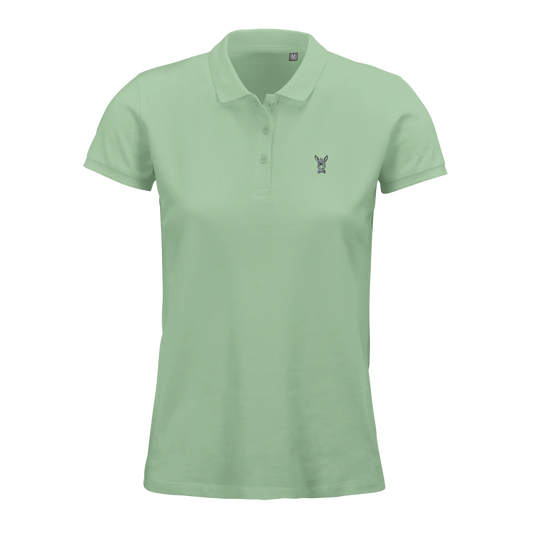
Les vêtements fonctionnent merveilleusement bien lorsque le design semble faire partie de la personnalité de la personne. Les sweat-shirts et t-shirts en coton biologique offrent une toile généreuse pour les illustrations, mais ils demandent aussi de la retenue. Réfléchissez à l'échelle de l'impression, à la couleur du vêtement et à la question de savoir si le porteur appréciera toujours la pièce une fois l'effervescence de la semaine de lancement passée.
Les objets imprimés sont particulièrement adaptés à l'humour, aux rituels domestiques et aux identités professionnelles. Ils sont souvent très faciles à offrir car ils ne nécessitent pas de deviner une taille. Des articles imprimés plus petits peuvent également offrir aux abonnés un moyen d'accès plus abordable à la collaboration, à condition qu'ils ne donnent pas l'impression d'avoir été ajoutés après coup.
Les quantités limitées sont utiles lorsqu'elles sont réelles. Elles créent un sentiment d'événement et aident à protéger le caractère spécial d'un design. La rareté artificielle, en revanche, a un parfum de magicien qui vous demande de ne pas regarder derrière le rideau. Si une série est limitée, expliquez-le clairement et faites en sorte que le nombre soit cohérent pour l'audience.
Construisez pour la vraie vie, pas pour une maquette polie
Avant le lancement, testez chaque design dans la forme qu'il prendra réellement. Vérifiez si les lignes fines survivent à l'impression, si le texte reste lisible d'un coup d'œil et si les couleurs se comportent correctement sur différentes teintes de vêtements. Une maquette peut rendre presque tout merveilleux. Le facteur, la machine à laver et l'usage quotidien sont moins impressionnables.
Posez les questions pratiques tôt. L'article sera-t-il imprimé à la demande ? Y a-t-il des options de couleur, et améliorent-elles le choix ou causent-elles simplement une paralysie décisionnelle ? L'illustration doit-elle être adaptée pour les tailles enfants ou des zones d'impression plus petites ? L'emballage est-il approprié pour quelqu'un qui l'envoie directement à un ami comme cadeau d'anniversaire ?
Pour une audience basée en Europe, le lieu de production n'est pas une note de bas de page. Les gens remarquent de plus en plus le décalage entre une promesse de durabilité séduisante et un produit qui a fait un tour du monde inutile. L'impression à la demande peut réduire la surproduction, tandis que des matériaux réfléchis comme le coton biologique offrent une alternative plus consciente aux biens de consommation éphémères. Ce n'est pas une solution miracle — le transport, les encres, l'emballage et les taux de retour comptent toujours — mais c'est une meilleure direction que de produire des montagnes de stock en espérant que tout se vende.
Accordez-vous sur les aspects ennuyeux avant qu'ils ne deviennent problématiques
Les partenariats créatifs restent plus harmonieux lorsque les attentes sont couchées par écrit avant même que la première photo de produit ne soit prise. Cela signifie convenir du processus de validation du design, des dates de lancement, du partage des revenus, des délais de paiement, de la propriété des droits sur les illustrations et de ce qui se passe lorsque la collaboration prend fin.
Soyez particulièrement clair sur les droits d'utilisation. La marque peut-elle utiliser les illustrations dans des publicités payantes ? Le créateur peut-il vendre une variante ailleurs plus tard ? L'une ou l'autre partie peut-elle réutiliser les photographies ? Ce ne sont pas des signes de méfiance, mais le grillage autour du potager, garantissant que les carottes de chacun restent là où elles doivent être.
Un modèle commercial équitable respecte également le travail qui se cache derrière le produit. Les créateurs peuvent passer des heures à développer des concepts, à impliquer leur communauté, à filmer le matériel de lancement et à répondre aux questions après la sortie. Un pourcentage des ventes peut être judicieux lorsque les deux parties sont investies dans le résultat, tandis qu'un forfait peut convenir à une commission de design étroitement définie. Parfois, une approche hybride est plus logique. La bonne réponse dépend de la portée du créateur, de la quantité de travail original et du risque de production de la marque.
Lancez avec une histoire que les gens peuvent transmettre
Une page produit devrait expliquer aux acheteurs pourquoi cet article existe en quelques phrases vivantes. Pas un grand conte corporatif impliquant dix-sept parties prenantes et un tableau Excel. Juste l'étincelle : la blague privée, la frustration, le moment de croquis ou la demande de la communauté qui a pris forme.
Laissez la voix du créateur guider les échanges autant que possible. Leur audience peut flairer un enthousiasme emprunté à des kilomètres. Donnez-leur suffisamment d'outils et d'informations produit pour qu'ils puissent parler avec confiance, mais ne transformez pas chaque post en un communiqué de presse portant un chapeau ridicule.
Un bon rythme de lancement comporte plusieurs étapes. Teasez un détail, révélez l'idée, montrez le produit utilisé dans la vie de tous les jours, puis rappelez aux retardataires avant la fin de la période de vente. Si vous avez une liste de diffusion, proposez un accès anticipé ou demandez aux abonnés de voter pour une variante de couleur au préalable. La participation fait sentir aux gens qu'ils sont des collaborateurs plutôt que des spectateurs avec leur portefeuille à la main.
Le point fort de Dandy Donkey est le genre de design qui fait d'abord rire le destinataire du cadeau, avant qu'il ne demande d'où il vient. Cette approche mérite d'être adoptée : commencez par une idée distinctive, puis rendez la qualité et les choix de production faciles à comprendre.
Mesurez bien plus que le premier week-end
Les ventes comptent, évidemment. Personne ne paie l'imprimeur avec de bonnes ondes. Pourtant, le premier week-end ne raconte pas toute l'histoire. Observez quels produits reçoivent des enregistrements, des partages, des achats en cadeau et des commandes répétées. Notez les commentaires qui révèlent comment les gens décrivent le design avec leurs propres mots. Ce vocabulaire est une mine d'or pour les futures pages produits et les collaborations à venir.
Les retours sont également des retours d'information utiles. Si un vêtement est retourné parce que la coupe a surpris les gens, ajustez le guide des tailles. Si les acheteurs hésitent sur une couleur, réduisez les options la prochaine fois. Si un petit panneau surpasse une grande collection complexe, acceptez la leçon avec grâce. Votre audience s'est exprimée, et elle a parfois un meilleur instinct que le tableau d'inspiration.
Une collaboration n'a pas besoin de devenir permanente pour être un succès. Un lancement ciblé et bien réalisé peut approfondir une relation avec un créateur, introduire une nouvelle audience et laisser aux fans quelque chose qu'ils garderont sincèrement. Rendez le produit spécifique, rendez l'accord équitable, et ne produisez que ce qui mérite une place dans la garde-robe ou la maison de quelqu'un. Le monde a déjà assez de choses insipides.