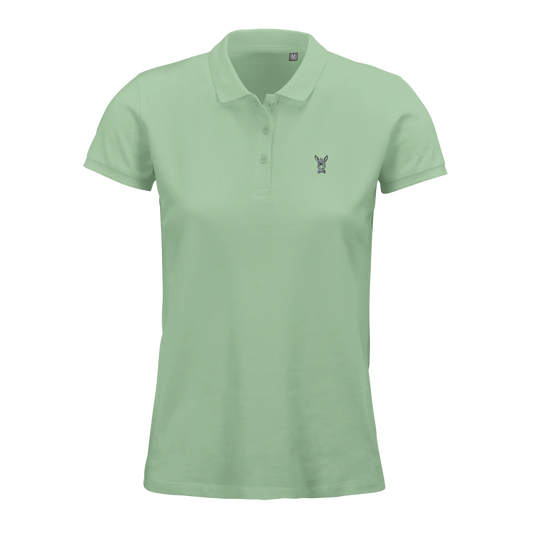
Are Organic Sweatshirts Worth It? The Honest Take
Share
A sweatshirt is rarely just a sweatshirt. It is the emergency layer for a chilly train platform, the uniform for Sunday sofa operations, and occasionally the loudest thing in a room full of beige. So, are organic sweatshirts worth it? Usually, yes - but not because the word “organic” magically turns every fleece into a halo-wearing hero.
The better question is whether the sweatshirt is well made, feels brilliant to wear, suits your actual life, and has been produced with fewer needless compromises. Organic cotton can be a meaningful part of that picture. It is not a free pass for flimsy stitching, vague claims or a design destined to live at the back of the wardrobe. The donkey has standards.
Are organic sweatshirts worth it for everyday wear?
For people who wear sweatshirts on repeat, an organic option can earn its higher ticket price surprisingly quickly. Organic cotton is grown without synthetic pesticides and fertilisers, which is better news for the people working around the crop and for ecosystems than conventional cotton farming. It also avoids genetically modified seeds under organic standards.
That does not mean every organic cotton sweatshirt uses no water, travels no miles or arrives on a cloud carried by ethically minded pigeons. Cotton is still a thirsty crop in many regions, and the finished garment may be spun, dyed, sewn and shipped across several countries. Sustainability is a chain, not a sticker.
But when organic cotton is paired with responsible manufacturing, sensible transport and a sweatshirt you will genuinely keep wearing, it is a far more thoughtful choice than buying three cheap jumpers because one has a slogan that amused you for eleven minutes.
Comfort matters too. Good organic cotton sweatshirts often feel soft, breathable and substantial rather than plasticky or scratchy. That comes down partly to fibre quality and partly to fabric weight, brushing and construction. Organic does not automatically mean softer, but brands using better materials tend to pay attention to the rest of the garment as well.
What you are actually paying for
The price gap between an organic sweatshirt and a bargain-basement alternative can look rude at first glance. Then again, a very cheap sweatshirt has not escaped costs. Somebody, somewhere, has usually absorbed them through low wages, intensive chemical use, thin fabric, rushed production or a lifespan shorter than a supermarket herb plant.
With a responsibly produced organic sweatshirt, your money is more likely to cover certified raw materials, better labour conditions, sturdier fabric and smaller, less wasteful production runs. If it costs more, that is not automatically proof of virtue. It is simply a reason to look harder at what sits behind the price.
A useful way to judge value is cost per wear. A £20 sweatshirt worn four times costs £5 each outing. A £55 sweatshirt worn once a week for two years works out at roughly 53p a wear - and it has had plenty of chances to become part of your personal legend. The maths is not glamorous, but neither is replacing cracked, misshapen clothing every season.
This calculation only works if you choose something you actually like. A worthy sweatshirt in a colour that drains your soul is still a poor purchase. Pick the shade, cut and graphic that make you reach for it without negotiations.
Organic is not the only label worth checking
“Organic cotton” tells you something important about how the fibre was grown. It does not, by itself, tell you who made the garment, whether the dyeing process was carefully managed, how much plastic packaging was used, or whether the brand made 20,000 speculative units that may later become landfill confetti.
Look for clear information about certification, manufacturing and fabric composition. Proper certifications help support organic claims through the supply chain, rather than relying on a leafy logo doing interpretive dance beside the product description. Also check whether the sweatshirt is 100% cotton or blended with polyester. Blends can add durability or shape retention, but they are more complicated to recycle and may shed microfibres over time.
Weight is another useful clue. Lightweight sweatshirts can be ideal for layering, while heavier fabrics generally feel warmer and may hold their form better. Neither is morally superior. A heavy winter crewneck is not much use if you want a light layer for a crowded gallery opening or a overheated office.
Finally, inspect the unglamorous details: ribbed cuffs that spring back, tidy seams, a neck that does not sag after a few washes and printing designed to last. These are the bits that decide whether a sweatshirt ages like a beloved record sleeve or a sad tea towel.
Print-on-demand makes a real difference
One of fashion’s silliest habits is making piles of things before anyone has asked for them. When the guess goes wrong, discounted stock, destruction and waste follow. It is an expensive game of crystal-ball roulette.
Printing a sweatshirt only after a customer chooses the design and colour is a quieter, smarter alternative. It does not make production impact-free, but it can reduce overproduction because the item is made for a real person, not a warehouse shelf with abandonment issues.
This approach is especially sensible for expressive designs. Not everyone needs the same slogan, profession joke or wonderfully peculiar artwork on their chest. Choice lets people buy the piece that feels like them, while creators get room to make work for smaller, specific communities rather than chasing bland, mass-market approval.
At Dandy Donkey, that is part of the point: organic sweatshirts are printed when you pick your design, so you can choose a colour with some personality and avoid feeding the mountain of generic unsold merch. Less guesswork, more good weirdness.
There is a trade-off. Made-to-order products can take a little longer to arrive than an item plucked from a vast fulfilment warehouse. For a birthday next weekend, planning ahead is wise. For a sweatshirt you expect to wear for years, waiting a few extra days is usually a fair exchange.
When an organic sweatshirt may not be worth it
Honesty time: not every shopper needs the most premium option for every situation. If you need a paint-splattered layer for one weekend of DIY, buying a carefully printed organic sweatshirt may be overkill. Keep an old garment in service instead. The most sustainable item is often the one already in your drawer, looking slightly haunted but perfectly usable.
Organic may also not be worth the price if a brand is vague about everything except the word “organic”. If there is no detail on composition, production or care, you are entitled to be suspicious. A high price without substance is just fancy dress for a basic product.
Fit can be the deal-breaker, too. A beautifully sourced sweatshirt that pinches at the shoulders or has sleeves long enough to sweep the floor will not become a wardrobe favourite. Check the size guide, decide whether you prefer a neat or oversized fit, and measure a sweatshirt you already love. It is gloriously boring advice, which is why it works.
Make the good sweatshirt last
Buying better is only half the story. Keeping it out of the replacement cycle is where the real magic happens. Wash your sweatshirt inside out at a lower temperature, use a gentle detergent and avoid tumble drying when you can. High heat is a notorious troublemaker for fibres, ribbing and printed designs.
Wash only when it needs washing. Airing it between wears is often enough, especially for a layer worn over a T-shirt. Treat stains promptly, reshape it while damp, and store it folded rather than hanging if the fabric is heavy enough to stretch at the shoulders.
If the print eventually cracks or the cuffs lose their bounce after years of loyal service, that is not always failure. Clothes are allowed to show that they have lived. Repair what you can, pass it on if it no longer suits you, and only replace it when it has truly done its shift.
The best organic sweatshirt is not the one with the loudest eco-claim. It is the one you choose deliberately, wear shamelessly and keep around long enough for the memories to become part of the fabric.