The Future of Europe-Made Ecommerce Is Personal
Share
A warehouse full of unwanted beige T-shirts is not a retail strategy. It is a sad little monument to guesswork. The future of Europe-made ecommerce looks rather different: fewer things made on a hunch, more products made because someone actively chose them, and a lot more personality per square centimetre.
For shoppers, that means the future of Europe-made ecommerce is not merely about where an item is printed or stitched. It is about buying objects with a point of view. A sweatshirt can be organic, Europe-printed and responsibly produced, but it should also make its owner grin in the mirror or provoke a good question at the pub. Ethics matter. So does not looking like every other human who wandered through the algorithm.
The future of Europe-made ecommerce is not bland
For years, online retail rewarded endless choice. Ten thousand phone cases. Forty shades of the same boring cushion. A digital aisle so large it feels like a fluorescent maze designed by a committee of spreadsheets.
That model has a problem: most people do not actually want infinite options. They want something that feels right. The right joke for a nurse friend. The right colour for a stubbornly stylish cousin. The sign that says what the office group chat is too polite to say out loud. Choice is useful until it becomes homework.
Europe-made ecommerce has a chance to become the antidote. Not because every locally produced item is automatically superior, but because closer production can encourage smarter decisions. Smaller runs, quicker feedback, clearer standards and products that are not shipped across the planet before anyone has decided whether they want them. It makes room for a more considered sort of commerce: expressive, practical and a little less obsessed with piling stuff into the void.
The winning shops will not behave like anonymous catalogues. They will feel more like well-stocked studios with a mischievous shopkeeper behind the counter. Their products will carry a recognisable visual language, whether that is deadpan work humour, gloriously odd illustration or gifts for people with very specific passions. In a crowded feed, generic is not safe. Generic is invisible.
Production closer to home changes the conversation
“Made in Europe” can be a valuable signal, but only when it means something beyond a neat line of copy beneath a product photo. Customers are increasingly alert to vague sustainability claims wrapped in leafy icons and hopeful adjectives. They want to know what is being made, where it is finished, how much is made before it is sold and whether the product has a life beyond a single social post.
Printing to order is one of the more sensible answers, especially for design-led apparel. Rather than gambling on a mountain of pre-printed stock, a brand can produce an organic cotton sweatshirt when a customer picks the design and colour they actually want. That reduces the risk of surplus, gives people more control and avoids the familiar end-of-season ritual of discounting a cupboard full of misjudged colours.
It is not a magic wand, of course. Made-to-order production can take longer than pulling a parcel from a giant warehouse. It can cost more, too. Customers who need a last-minute birthday gift by Friday may still choose speed over principles. Fair enough. A good Europe-made brand does not pretend every purchase must be a moral exam. It simply makes the more thoughtful option feel desirable enough to choose when time allows.
Closer production also makes accountability less theatrical. If a brand works with European printers and suppliers, it is easier to ask better questions, build lasting relationships and improve the process as it grows. That does not guarantee perfection. It does mean the chain is less likely to vanish into a fog of container ships, mystery factories and cheerful nonsense.
Less overproduction, more intention
The next era of ecommerce will reward brands that treat inventory as a responsibility, not a flex. Huge stockrooms once suggested success. Now they can suggest a business has made far too much stuff for people who never asked for it.
Limited-edition signs, print-on-demand clothing and carefully tested new designs offer a gentler approach. They let a brand experiment without producing a small mountain of future landfill. They also make products feel more alive. A design can arrive, make a noise, find its people and step aside for the next good idea. Not every item needs to be available forever to be worth making.
That matters for creators as much as customers. A designer with a sharp visual voice should be able to test an idea without paying for hundreds of units upfront or turning their spare room into a cardboard-box habitat. The best platforms will make room for independent artists while protecting the quality of what reaches the customer. More creators should not mean more clutter. It should mean more brilliant, peculiar things worth owning.
Europe is many markets, not one giant checkout
There is a tempting fantasy that Europe is one tidy ecommerce market with a few language settings sprinkled on top. Anyone who has tried to buy a gift for someone in another country knows better. Humour shifts. Delivery expectations vary. Payment habits differ. A phrase that lands beautifully in Brussels may cause baffled silence in Birmingham or Rotterdam.
That complexity is not a nuisance to erase. It is the source material. Europe is packed with regional habits, workplace jokes, languages, subcultures and design traditions. A creator marketplace that respects those differences can offer products with genuine local flavour while still serving customers across borders.
The trick is to be legible without becoming flavourless. Product descriptions should be clear. Returns and delivery information should be plain-speaking. Translations should sound like people wrote them, not like a toaster developed a career in copywriting. Then the creative work can remain proudly specific. The odd little reference is often what makes a design worth buying.
For brands expanding from Belgium into a wider European audience, this means listening before broadcasting. A design that sells brilliantly at home may need a new caption, a different colourway or a gentler cultural nudge elsewhere. Local relevance is not a brake on growth. It is how growth avoids becoming a beige international blob.
The product must still earn its place
Sustainable positioning alone will not rescue an unremarkable product. Nobody needs another tote bag just because it is made from worthy materials and photographed near a houseplant. The item has to be useful, funny, beautiful or emotionally spot-on. Ideally, it manages two of those before breakfast.
This is where design-led ecommerce has the advantage. People buy statement apparel and giftable signs because they communicate something. They announce a profession, an in-joke, an opinion or a stubborn affection for a particular kind of chaos. A well-made product becomes a tiny billboard for its owner, except nobody has to wear a corporate logo the size of a dinner plate.
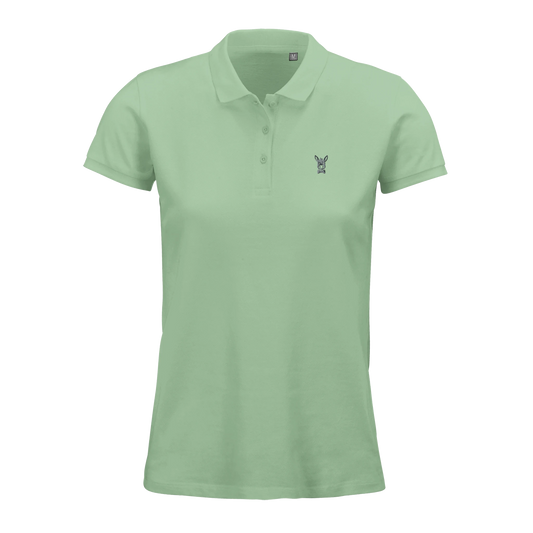
Dandy Donkey belongs to this more characterful corner of retail: one where an organic sweatshirt can be both kinder to the planet and cheeky enough to start a conversation. The model works when the design comes first, the production choices support it and the customer feels they have found something made for a person rather than a demographic.
Better ecommerce will feel more human
Technology will certainly shape what comes next. Better demand forecasting can reduce waste. Multilingual storefronts can help a small maker reach someone across the continent. Smarter production tools can make customisation less fiddly. Useful tools, all of them.
But technology should stay in the harness, not grab the reins. Nobody is waiting impatiently to form an emotional bond with an automated product recommendation. People remember the brands that understand their taste, respect their money and give them something more interesting than another discount code in their inbox.
The future will favour shops that are transparent about their limits as well as their ambitions. Say when production takes a little longer. Explain why a limited run is limited. Show some character when a delivery goes slightly donkey-shaped. A brand does not need to perform perfection to earn trust. It needs to be clear, useful and recognisably human.
The best future for Europe-made ecommerce is not bigger for the sake of bigger. It is closer, stranger, more creative and much harder to confuse with a warehouse of forgotten beige stuff. Buy less nonsense. Choose more personality. Let the good oddities have their day.