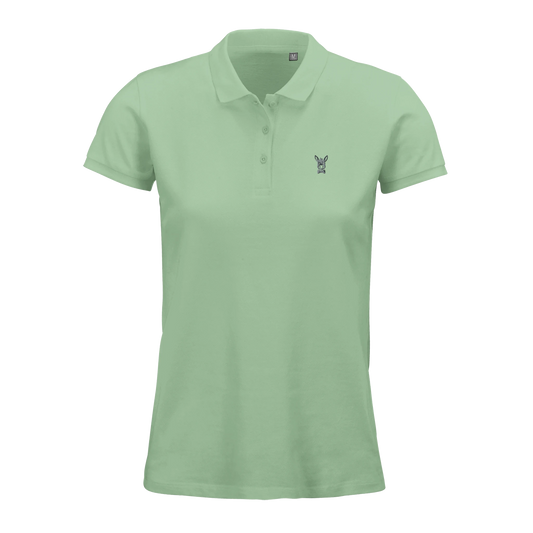
Creator Merchandise That People Actually Want
Share
Creator merchandise used to mean a logo flung onto a white tee with all the charm of a conference lanyard. Now, people expect more. They want objects with a point of view: a sweatshirt that earns compliments at the café, a cheeky sign that makes a colleague snort, or a gift that says, “I saw this and immediately thought of your oddly specific little life.”
That is good news for creators. It means merchandise can be more than a digital tip jar with sleeves. Done properly, it turns a creator’s world into something people can wear, hang, give and enjoy long after the post has slipped down the feed.
Why creator merchandise needs a personality
The strongest products do not begin with the question, “Where should we put the logo?” They begin with a sharper one: “What would our people genuinely want to live with?” Those are very different beasts.
A creator with a devoted community already has raw material. It might be a recurring joke, an unapologetic opinion, a familiar phrase, a visual style, a beloved character or a shared frustration. The trick is to translate that material into a design that works even for someone who is not carrying a fan club membership card in their pocket.
Think of a brilliant band tee. You can wear it because you love the music, but also because the artwork looks good. The same principle applies whether the creator is a illustrator, a chef, a podcaster, a gaming stream, a tattoo artist or the internet’s most persuasive champion of houseplants. The product needs an inner circle nod and an outer-circle appeal.
That is where generic merchandise goes to pasture. A large face print, a tiny catchphrase and a handful of predictable colours may please the algorithm for a weekend. It rarely becomes a favourite garment. People have wardrobes full of perfectly serviceable clothes already. Give them a reason to make room.
Start with the community, not the catalogue
Before choosing a hoodie, mug or tote bag, look at the language people use around the creator. Which comments keep reappearing? What phrases have become shorthand? What problems, professions or passions bring the audience together? The best ideas are often hiding in plain sight, wearing a silly hat.
A florist’s audience might adore a sign that politely threatens anyone who touches the good scissors. A designer could build a collection around creative chaos, colour obsession and deadline-induced delusion. A parenting creator may find that a baby bodysuit with a properly observed joke beats another inspirational slogan every time.
Specificity is not a limitation. It is the magnet. “Funny gift” is a foggy field. “A sign for the friend who treats their allotment like a sovereign nation” is a flag planted firmly in the ground.
Design first, logo second
The world does not need more branding that behaves like a billboard. Creator merchandise earns affection when it feels like a designed object rather than a promotional afterthought.
That does not mean every item needs to be cryptic or ultra-minimal. Loud can be lovely. A slogan can be the star. A bright illustration can do a little happy dance across the chest. But the design should have rhythm, balance and confidence. It should suit the product, the print area and the person likely to buy it.
Colour matters here more than most brands admit. A design can be fantastic and still look wrong on the wrong base colour. Giving customers a considered choice lets them pick the shade that fits their own personality rather than forcing everyone into the same corporate soup. Black has its place, of course. It simply does not need to own the entire wardrobe.
Creators should also resist the urge to explain every joke. If a design needs a paragraph of instructions, it may be a clever post rather than a wearable piece. Leave a little room for curiosity. The best products spark a conversation without shouting the answer from a megaphone.
Choose products with a real job to do
A product earns its keep when it has a role beyond displaying an affiliation. Organic sweatshirts are for repeat wear, weekend wandering and the sacred art of looking put together with very little effort. Baby bodysuits make naturally giftable little canvases for humour. Limited-run signs can give a kitchen, studio or workplace a dose of character that flat-pack décor cannot manage.
It depends on the creator and their audience. A visual artist may thrive with prints and apparel. A niche work community might respond far better to signage that speaks their professional dialect. A creator whose audience buys gifts needs clear, delightful products that work even when the recipient has never watched a single video.
More choice is not always kinder. A small collection with distinct reasons to exist feels intentional. Twenty nearly identical items feel like someone dropped a spreadsheet into a shopping basket.
Make less stuff, more thoughtfully
There is an awkward truth sitting in the middle of the merchandise business: making things has a footprint. Pretending otherwise is just green paint on a very wobbly fence.
The more sensible route is to avoid producing piles of stock based on a hopeful shrug. Printing apparel when a customer chooses it helps sidestep unnecessary overproduction. It also means creators can offer designs without turning a spare room into a textile warehouse guarded by an increasingly stressed cat.
Production closer to the customer matters too. Europe-printed products can reduce the distance goods travel compared with far-flung mass production, while supporting a supply chain that is easier to understand and monitor. It is not a magic wand. Materials, printing methods, packaging and delivery still count. But it is a better question to ask: how can this product be made with less waste and more care?
Quality is part of that answer. A sweatshirt that stays in circulation for years is far more useful than a cheap novelty that gives up after two washes. Organic cotton, durable printing and considered construction cost more than the race-to-the-bottom option. For many customers, that trade-off is worth it when the item feels good, looks good and refuses to become landfill confetti.
Give creators a fairer role in the shop
A multi-creator platform should not sand every creator into the same beige shape. Its job is to make the practical parts easier - production, product setup, customer service and delivery - while leaving room for each creator’s own visual voice.
That balance matters. Creators need enough freedom to make work that feels like theirs, and enough support to avoid spending every evening deciphering print specifications. Customers, meanwhile, benefit from a place where they can find fresh work from different minds without wading through anonymous marketplace clutter.
Dandy Donkey sees the opportunity in that mix: bold design, human-made production and products that do not behave like an afterthought. The aim is not to turn every creator into a clothing label overnight. It is to give original ideas a useful, well-made physical life.
Trust also needs practical proof. Be clear about what is made to order, what is limited, where products are printed and what customers can expect. Limited quantities should mean genuinely limited quantities, not a permanent fake countdown wearing a party hat. People are happy to wait a little for something made for them. They are less happy to discover that “exclusive” has been available since the dinosaurs.
Build a collection people return to
A first launch should feel like an invitation, not a grand finale. Pay attention to which designs people wear, photograph, gift and mention unprompted. Those are stronger signals than a passing spike of likes.
Keep the successful threads alive, but do not milk them until they become sad little raisins. New colourways, seasonal twists and adjacent jokes can expand a world without repeating the same punchline. Limited drops work best when they create a real reason to act, not when they manufacture panic.
Most of all, leave space for surprise. Creator merchandise is at its best when it lets people recognise themselves in a joke, a colour, a strange little slogan or a gloriously specific sign. Make the thing that someone did not know they were looking for, then let them carry it home with a grin.