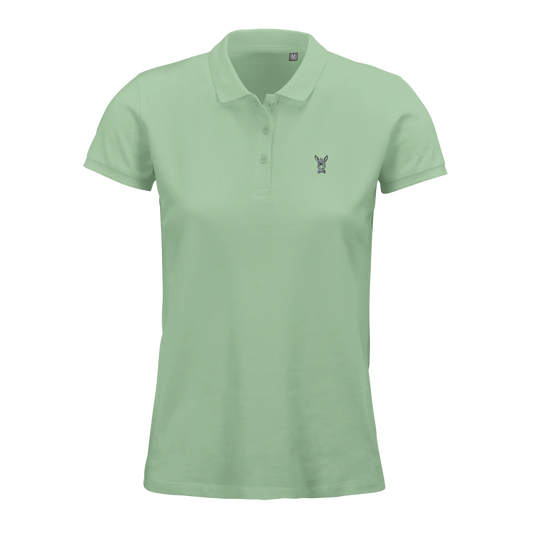
Qu'est-ce que la marchandise de créateur ? Bien plus qu'un t-shirt
Partager
Un sac fourre-tout qui fait sourire un collègue céramiste dans le tramway. Un sweat-shirt avec une réplique que seuls les enseignants épuisés comprennent vraiment. Une pancarte qui annonce discrètement que votre foyer est dirigé par un teckel avec des ambitions managériales. Qu’est-ce que le merchandising de créateur ? C’est ce qui permet à une personne, une communauté ou une idée brillamment farfelue de quitter l’écran pour s’inviter dans le quotidien.
Bien réalisé, ce n’est pas un logo plaqué sur un t-shirt jetable envoyé dans la nature avec une facture enjouée. Le merchandising de créateur transforme un point de vue en quelque chose d’utile, d’offrable et de portable. Il offre aux gens un moyen de reconnaître leurs semblables – et, à l’occasion, de déconcerter leurs voisins. Les deux sont tout aussi valables.
Qu’est-ce que le merchandising de créateur, exactement ?
Le merchandising de créateur est un produit physique conçu autour du travail, de la personnalité, du public ou de l’idée originale d’un créateur. Le créateur peut être illustrateur, musicien, podcasteur, humoriste, joueur, écrivain, chef, photographe ou une personne ayant des opinions particulièrement tranchées sur le levain. Leurs produits peuvent inclure des vêtements, des affiches, des tasses, des pancartes, de la papeterie, des vêtements pour bébés et tout autre objet adapté à l’idée.
Le mot créateur a son importance. Un créateur apporte l’étincelle : une illustration, une réplique, un univers visuel, une blague interne ou une façon de voir les choses. Le merchandising donne à cette étincelle une forme physique. L’acheteur n’achète pas seulement du coton, de l’encre ou une plaque de métal. Il choisit un signal petit, visible, de goût, d’humour, d’appartenance ou d’affection.
C’est pourquoi les meilleures pièces fonctionnent même si quelqu’un n’a jamais entendu parler de la personne qui les a créées. Le design doit pouvoir exister par lui-même. Si la blague fait mouche, que la couleur semble juste et que l’objet mérite sa place dans une garde-robe ou sur un mur, il a une vie au-delà de la publication, de la vidéo ou de la newsletter originale.
Il ne s’agit pas seulement de merchandising de marque avec un meilleur éclairage
Le merchandising de marque traditionnel place généralement le logo ou la campagne d’une entreprise au premier plan. Sa fonction est la reconnaissance : voici la marque, s’il vous plaît, souvenez-vous de la marque. Le merchandising de créateur peut inclure un nom ou un logo, mais il tend à commencer ailleurs. Il commence par l’expression.
Un créateur peut réaliser un graphisme pour les personnes qui travaillent dans le secteur de la santé, qui adorent les outils de jardinage obscurs ou qui prennent très au sérieux les besoins émotionnels de leurs chats. Le produit dit : « Oui, toi aussi ? » Il crée un bref moment de reconnaissance entre inconnus. C’est bien plus puissant qu’un logo qui crie depuis une poche de poitrine.
Il existe une intersection utile, bien sûr. Un fondateur d’entreprise peut être un créateur, et un créateur peut construire une marque reconnaissable. La différence réside dans le centre de gravité. Avec le merchandising de créateur, ce sont l’idée, la voix et la communauté qui mènent la danse. L’image de marque est là pour soutenir l’histoire, et non pour l’aplatir comme un ennuyeux biscuit industriel.
Pourquoi les gens l’achètent
Les gens ont rarement besoin d’un énième sweat-shirt dans un sens strictement pratique. Ils en achètent un parce qu’il leur ressemble, leur rappelle quelqu’un ou résout un problème de cadeau sans avoir recours à des produits de bain achetés dans la panique. Le merchandising de créateur rend les objets ordinaires plus spécifiques.
Pour les fans, il peut s’agir d’un signe d’appartenance discret. Un design fait référence à une blague partagée, un épisode favori, une obsession locale ou une profession de niche. Il exprime quelque chose sans nécessiter une explication de vingt minutes lors d’une soirée. Pour les acheteurs qui aiment simplement le design, c’est un moyen de choisir des objets avec plus de caractère que le défilé beige habituel.
Il y a aussi une préférence humaine à l’œuvre. Lorsque vous savez qu’un véritable artiste, designer ou une petite équipe créative a façonné un objet, l’achat peut sembler plus proche du soutien à la culture que de l’alimentation d’une machine industrielle anonyme. Ce sentiment doit être mérité, et non pulvérisé sur un produit générique comme de la vanille artificielle. Un crédit clair, un design distinctif et une production réfléchie font toute la différence.
Les quatre ingrédients d’un bon merchandising de créateur
Chaque design n’a pas besoin d’être tape-à-l’œil. Mais il a besoin d’une raison d’exister. Le merchandising de créateur fort a généralement quatre éléments dans sa besace :
- Un point de vue clair. Il sait à qui il s’adresse, qu’il s’agisse d’introvertis littéraires, de plombiers fiers ou d’amateurs d’illustrations de fruits surréalistes.
- Un design adapté à l’objet. Un dessin détaillé peut être magnifique sur une impression mais devenir brouillon sur une minuscule tasse. Le placement, l’échelle et la couleur comptent.
- Une qualité utile. Un slogan spirituel ne peut pas sauver un tissu qui gratte, une impression fragile ou une pancarte qui semble triste après un mardi pluvieux.
- Un choix de production cohérent. Des tirages limités, une production locale ou une impression à la demande peuvent éviter que des piles de stocks inutilisés ne prennent la poussière dans un coin sombre.
De l’idée sur écran à l’objet que l’on garde
Le chemin du concept au produit est à la fois un jeu créatif et une intendance pratique. D’abord vient l’idée maîtresse. Que crée, remarque ou dit le créateur auquel les gens réagissent ? Une bonne réponse est spécifique. « Des designs amusants pour tout le monde », c’est du brouillard. « Un humour pince-sans-rire pour ceux qui ont survécu à une énième réunion parents-profs », c’est une météo avec une vraie visibilité.
Ensuite vient l’adéquation avec le produit. Une illustration audacieuse peut trouver sa place sur un sweat-shirt en coton biologique où elle a de l’espace pour respirer. Une courte phrase avec une chute percutante pourrait être parfaite pour une pancarte originale. Un motif plus doux et plus sucré ferait un joli body pour bébé. Le produit doit porter l’idée naturellement, plutôt que de servir d’otage à un visuel qui n’a rien à y faire.
Après cela, viennent les aspects peu glamour mais essentiels : la préparation des fichiers, les contrôles d’échantillons, la technique d’impression, les couleurs, le dimensionnement, les descriptions de produits, l’emballage et l’expédition. C’est là qu’une plateforme solide ou un partenaire de production fait ses preuves. Les créateurs doivent conserver leur voix et leur intention créative, tandis qu’un professionnel s’assure que l’objet fini ne présente pas une impression mystérieusement verdâtre ou des manches taillées pour une petite pieuvre.
La fabrication à la demande change la donne
L’un des choix les plus importants dans le merchandising de créateur est de savoir s’il faut produire du stock avant que les clients ne l’achètent ou produire les pièces une fois qu’une commande a été passée. Aucun modèle ne gagne à tous les coups.
Des gros tirages initiaux peuvent réduire le coût par article et faciliter une expédition rapide. Ils sont utiles lorsque la demande est prouvée, qu’un lancement est sensible au temps ou qu’un produit nécessite une finition particulière uniquement possible en grand volume. L’inconvénient est évident : si vous vous trompez dans vos prévisions, vous vous retrouvez avec des cartons remplis de la blague ingénieuse de la saison dernière, ce qui est moins romantique qu’il n’y paraît.
La production à la demande peut être plus adaptée pour un merchandising axé sur le design, proposant de nombreuses couleurs, tailles ou thèmes de niche. Elle permet aux clients de choisir la version qui correspond à leur personnalité, et évite de produire toutes les variantes possibles dans l’espoir que quelqu’un les apprécie plus tard. Cela peut prendre un peu plus de temps à arriver et coûter plus cher à l’unité, mais cela réduit la surproduction inutile.
Pour les vêtements en particulier, les choix de matériaux comptent aussi. Le coton biologique, une impression soignée et une production européenne ne sont pas des mots magiques qui excusent un mauvais design ou de mauvaises pratiques de travail. Ce sont, cependant, des décisions significatives lorsqu’elles s’accompagnent de transparence et de produits conçus pour être portés à plusieurs reprises plutôt que jetés après trois lavages. Dandy Donkey, par exemple, imprime des vêtements en coton biologique lorsque le client choisit le design, plutôt que de parier sur une montagne de stocks indésirables.
Ce que les créateurs y gagnent, et ce qu’il leur reste à faire
Le merchandising peut offrir aux créateurs une source de revenus moins dépendante des algorithmes changeants, des publications sponsorisées ou d’une plateforme décidant que l’attention de tout le monde appartient désormais aux légumes dansants. Il peut aussi approfondir une communauté. Un acheteur devient un participant – qui marche, boit dedans ou l’affiche au mur – de l’univers du créateur.
Mais le merchandising n’est pas une fontaine à argent avec une moustache. Un large public ne signifie pas automatiquement une demande de produits. Les lancements les plus solides ont une adéquation claire avec le public, un bon design, une tarification honnête et une raison d’acheter maintenant – peut-être un design limité, un moment saisonnier ou une occasion de cadeau. L’urgence artificielle constante finit rapidement par sentir le brûlé.
Les créateurs doivent également tenir compte des autorisations. Utiliser les personnages, paroles, photographies ou marques déposées de quelqu’un d’autre sans la licence appropriée peut transformer un projet ludique en casse-tête juridique. Le travail original, les éléments correctement licenciés et des accords clairs avec les collaborateurs maintiennent la joie là où elle doit être.
Comment repérer le merchandising qui mérite d’être ramené chez soi
Avant d’acheter, regardez au-delà de la simulation. Le design est-il réellement distinctif ou pourrait-il appartenir à n’importe quelle boutique avec un abonnement à une banque d’images ? Les matériaux, la coupe et la méthode d’impression sont-ils expliqués clairement ? Le vendeur indique-t-il où les produits sont fabriqués, ou les détails se cachent-ils derrière des phrases vagues et des photos d’illustration étrangement enjouées ?
Pensez également à la durabilité. Allez-vous le porter, l’utiliser ou l’offrir avec plaisir le mois prochain ? Une référence de niche peut durer si elle reflète une part réelle de la vie de quelqu’un. L’objectif n’est pas d’acheter des basiques sans humour pour toujours. C’est de choisir le genre d’objet étrange et brillant qui continue de mériter sa place.
Le merchandising de créateur est à son meilleur lorsqu’il se comporte moins comme de la publicité et plus comme une bonne conversation : personnelle, inattendue et digne d’être transmise. Choisissez le design qui vous donne l’impression d’être vu – de préférence avant que l’âne dans votre cerveau ne vous convainque d’acheter un autre t-shirt fade.