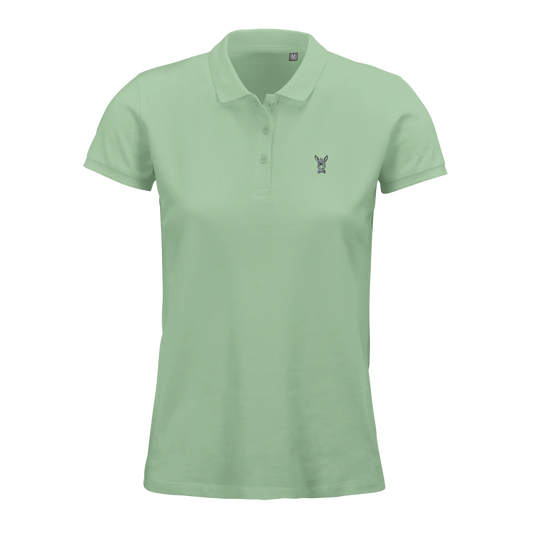
Statement Apparel That Actually Says Something
Share
A beige T-shirt has never started a decent conversation. Statement apparel, on the other hand, can get a laugh at the coffee queue, earn a knowing nod from a fellow night-shift worker, or make a stranger ask where you found it. That is a lot to ask from a bit of cotton, admittedly. But clothing has always been a tiny public noticeboard. The trick is making your notice worth reading.
The best pieces are not simply loud. They are specific. They hint at your job, your sense of humour, your obsession with dachshunds, your refusal to answer emails after 5pm, or your firm belief that the family barbecue needs a self-appointed grill inspector. A good design feels like it has wandered out of your own brain and onto a sweatshirt. A bad one feels like it was designed by a meeting that ran too long.
Statement apparel is not a megaphone
There is a common misunderstanding that expressive clothing must be enormous, fluorescent and visible from a passing lorry. It can be, of course, and there is a time and place for a glorious visual racket. But a statement can also be dry, small, beautifully placed and devastatingly accurate.
Think of the difference between someone shouting a joke and someone delivering the perfect one-liner. Both might get attention. Only one is likely to stay with people after they have gone home. A witty profession-themed print, an odd little illustration or a phrase that lands with a particular tribe has more staying power than generic motivation pasted across a chest.
That specificity is what turns a garment into a favourite. “Good vibes only” could belong to anyone, which is precisely the problem. A design that gently mocks the chaos of parenting, celebrates the noble art of gardening, or speaks to a freelance designer surviving on oat lattes and deadlines has a point of view. It gives the wearer a shortcut to being recognised.
This does not mean every piece needs a punchline. Graphic statement apparel can work just as well when it is visually strange, nostalgic or quietly beautiful. The design still needs a reason to exist, though. If it could sit unchanged in a thousand anonymous online shops, it is probably wallpaper, not personality.
Choosing statement apparel you will actually wear
The question is not, “Will people notice this?” They probably will. The better question is, “Will I reach for it on a Tuesday?” The answer usually comes down to the relationship between message, fit, colour and quality.
Let the design do one job well
A garment can make people laugh, signal belonging, commemorate a moment or add a dose of visual mischief to an otherwise ordinary outfit. Trying to do all four at once can leave it looking like a noticeboard after a windy day.
Choose the emotional note first. Do you want something that gives a colleague a grin? A gift for a friend who takes their hobby far too seriously, as all the best people do? Or a design that makes your own wardrobe feel less like a uniform? Once you know the job, it is easier to recognise the right print.
For gifts, inside jokes and identities tend to beat broad humour. A baker, cyclist, teacher, tattoo artist or new parent is more likely to treasure something that feels uncannily aimed at them. The sweet spot is affectionate rather than cruel. Tease the chaos, celebrate the obsession, leave the wearer in on the joke.
Match the volume to your real life
A maximal print may be perfect for a festival, a birthday weekend or the friend who owns three pairs of patterned trousers and fears nothing. For everyday wear, a clever design with breathing room often works harder. It can sit under a jacket, pair with worn-in jeans and still earn its moment when the coat comes off.
Placement matters more than people think. A compact chest print can feel like a private wink. A full-front graphic is a bolder opening line. Back prints create a pleasant delayed reveal, particularly useful if you enjoy making an exit with a bit of theatre. None is inherently better. It depends on whether you dress to spark a conversation or prefer to let one find you.
Pick colour with a little courage
Black, white, navy and grey are wardrobe workhorses for good reason. They make graphic designs easy to wear and survive the alarming habits of real life. Yet colour can make a statement feel much more personal. A forest green sweatshirt, a soft lilac tee or a washed warm red can shift the exact same artwork from safe to memorable.
Start with colours you already wear, then nudge one step sideways. If your wardrobe is mostly black, try a charcoal, bottle green or deep burgundy rather than launching straight into lemon yellow. If you live in denim and neutrals, an organic cotton sweatshirt in a richer shade may be your easiest route to more character.
The print colour needs consideration too. High contrast gives instant impact, while tone-on-tone ink can make an illustration feel more considered and less shouty. There is no medal for choosing the loudest option. The goal is a garment that feels like you, only with better graphic design and fewer awkward introductions.
Why the blank garment matters
A brilliant illustration on a flimsy, scratchy T-shirt is a bit like serving excellent chips on a paper plate that dissolves in the rain. The idea is there. The experience is not.
Statement pieces get repeated wear precisely because they carry meaning, so the fabric should be able to keep up. Organic cotton is a sensible starting point: soft enough for everyday use, substantial enough to hold its shape when treated decently, and a more planet-kind choice than treating clothes as disposable jokes. It also gives printed artwork a calmer, more tactile home than plasticky, paper-thin fabric ever will.
Weight and fit matter, too. A lighter T-shirt is useful for layering and warmer weather, while a heavier sweatshirt brings more presence and comfort. Oversized cuts can make bold graphics feel fashion-led and relaxed, but a closer fit may suit a cleaner illustration or a design you want to wear beneath a blazer. Check the measurements rather than trusting a label alone. Sizes are famously creative with the truth.
Printing only when someone chooses the design and colour has a practical benefit beyond the warm glow of good intentions. It avoids making piles of garments that nobody wanted in the first place. On-demand production may mean you do not get the instant-gratification speed of a warehouse flinging stock into a box, but it gives your purchase a clearer purpose. The item is made because you picked it, not because somebody gambled on six hundred units of “Weekend Legend” in 2019.
European printing also keeps production closer to the people buying it, rather than sending a T-shirt on an unnecessary world tour before it reaches your wardrobe. It is not a magic wand for fashion’s environmental footprint. Cotton still needs resources, and delivery still exists. But choosing considered materials, making to order and wearing a piece repeatedly are far better habits than collecting novelty garments for one photo and a life in the back of a drawer.
Wear it like you mean it, not like a mascot
The easiest way to style a strong graphic is not to compete with it. Let the print be the interesting guest at the party. Pair a cheeky sweatshirt with simple trousers and trainers, or use a graphic tee to loosen up tailored trousers and an overshirt. The contrast makes the outfit feel intentional rather than accidental.
If the design is colourful, borrow one small shade from it in your socks, cap or bag. If it is black and white, texture can do the lifting: corduroy, denim, a wool coat, a battered leather jacket. Statement apparel does not require a costume. It just needs a supporting cast willing to stop auditioning for the lead role.
There is also permission to save certain pieces for the right crowd. A gloriously niche joke may shine brightest at the studio, the school gates, the climbing wall or Sunday lunch with people who understand the reference. Clothes do not need to work for every room. In fact, the ones that do are often the least interesting.
The best statement is one you keep
The most convincing kind of self-expression is not a trend copied at speed. It is the piece you wear again because it still makes you smile six months later. That is the test worth using when you choose a design: not whether it will get noticed once, but whether it will feel like yours after the noise has moved on.
Dandy Donkey exists for that sort of wardrobe mischief: creator-made designs, printed in Europe when you choose them, with enough character to rescue an outfit from blandness. Pick the colour that suits your peculiar little universe, choose a message with a pulse, and give your wardrobe something better to say.