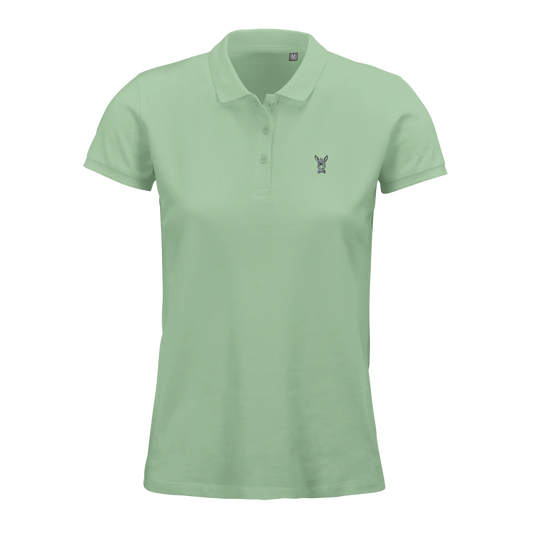
Why Choose Printed-to-Order Apparel?
Share
That random pile of unwanted hoodies at the back of retail never looked very inspiring, did it? Racks full of almost-right colours, vague slogans and mystery fabrics are hardly the stuff of self-expression. That is exactly why choose printed to order apparel is a question more shoppers are asking. If your clothes are meant to say something about you, it makes sense to start with something chosen deliberately, not mass-produced on autopilot.
Why choose printed-to-order apparel over mass-made stock?
Because most mass-made clothing is built on a gamble. Brands guess what people might buy, produce large volumes, ship them around the world and hope the right person eventually picks the least-wrong option. Sometimes that works. Quite often, it leaves piles of unsold stock, limited choices and garments that feel about as personal as a supermarket meal deal.
Printed-to-order apparel flips that logic. The garment exists as a blank base, and the final print only happens once a customer actually wants it. That simple change affects nearly everything - waste, design freedom, stock levels, product freshness and the feeling you get when something arrives that was made because you chose it.
It is not magic, and it is not perfect for every scenario. If you need 500 event T-shirts delivered tomorrow morning, traditional bulk production may still be the practical route. But for everyday shoppers who care about originality, quality and buying with a clearer conscience, printed-to-order is a cleverer fit.
You get choice without the landfill side quest
One of the strongest answers to why choose printed to order apparel is waste reduction. Traditional fashion often overproduces by design. Extra units are made to cover forecasting errors, sizing uncertainty and seasonal demand. That means some garments sell, some sit around, and some quietly become the industry’s awkward leftovers.
Printed to order works differently. A design is printed when someone actually picks it. That does not eliminate waste entirely - nothing in production does - but it cuts the habit of making huge piles of garments on the off chance they might be wanted later.
For shoppers who care about sustainability but still want fun, expressive clothes, that matters. It feels better knowing your sweatshirt was not one of a thousand made for a warehouse guessing game. It was made because you clicked, chose your size, chose your colour and gave it a reason to exist.
That is a much less chaotic origin story for a T-shirt.
Your wardrobe gets more personality
Mass-market apparel tends to play it safe. Safe slogans, safe colours, safe graphics, safe enough to offend absolutely nobody and excite almost nobody either. Printed-to-order apparel gives brands and creators room to be more specific, more playful and more niche.
That means shoppers are not stuck choosing between the same tired options repeated across every high street and marketplace. You can pick designs that feel like your humour, your job, your mood, your mildly unhinged taste in typography or your exact preferred level of visual mischief.
This is particularly useful if you buy clothes as gifts. A printed-to-order item can feel far more intentional because it reflects the recipient rather than whatever happened to be in stock. For someone with a distinct personality, that difference is enormous. It says, “I saw this and thought of you,” not, “This was near the till.”
Colour choice stops being an afterthought
One of the most underrated benefits of printed-to-order apparel is colour freedom. With traditional pre-printed stock, you are often choosing between whatever combinations a buyer approved six months ago. If the design is great but the base colour makes you look faintly haunted, tough luck.
Printed to order gives the customer more control. You can choose the colour that suits your style rather than settling for someone else’s guess. That matters more than people think. The same graphic can feel loud on one shade, clean on another and unexpectedly brilliant on a third.
If you are buying expressive clothing, colour is not decoration. It is part of the message. Letting people choose it makes the garment feel more personal from the start.
Designs stay fresh instead of fossilised
Another reason why choose printed-to-order apparel is creative flexibility. When brands are not tied to huge pre-printed inventory runs, they can experiment more. They can release stranger ideas, support smaller collections, test niche concepts and keep things moving without a warehouse full of old stock haunting the business like a dusty retail ghost.
For customers, this means a more interesting selection. You see bolder graphics, more timely ideas and products that feel less generic. For creators, it opens the door to monetising original work without funding a mountain of inventory upfront. That makes printed-to-order especially attractive in design-led spaces where freshness and individuality actually matter.
It is a system that suits people with opinions, and frankly, clothes are better when opinions are involved.
Quality can be better than people assume
There is sometimes a lazy assumption that printed-to-order means lower quality. That depends entirely on how it is done. A poor supplier, cheap fabric and weak print process will produce disappointing results whether the item was made in bulk or made to order. The production model is not the villain. Corners being cut are.
Good printed-to-order apparel starts with a decent garment blank. Better still if it uses organic cotton and printing methods chosen for durability and comfort. If production is handled close to the customer, quality control can also be tighter and transport miles lower.
This is where it pays to look at the whole picture. Ask what the base garment is made from. Check where it is printed. See whether the brand seems obsessed with design and material choices, or whether it looks like it slapped a joke on the cheapest shirt it could find. Printed to order can be excellent. It simply depends on the standards behind it.
European production makes practical sense too
For British and wider European shoppers, locally or regionally printed apparel has a straightforward appeal. Shorter supply chains can mean more predictable production, less unnecessary transport and easier quality oversight. It also tends to feel more human. Your item is not wandering the globe collecting stamps before it reaches your door.
There is a values angle as well. Many customers want products made under clearer standards, with more transparency and less distance between the design idea and the finished garment. Europe-printed apparel will not solve every sustainability challenge, but it can be a saner, cleaner option than shipping generic stock halfway across the planet just to sit around waiting.
The trade-off is speed, and sometimes that is fine
Printed-to-order apparel does ask for one thing from the buyer: a little patience. Because the item is produced after purchase, dispatch is not always as instant as grabbing something pre-printed from a warehouse shelf. If you are panic-buying a birthday present the night before, you may need to plan better than your usual chaotic gremlin self.
But many shoppers are happy to make that trade. Waiting a bit longer can be worth it for better choice, less waste and a garment that feels more considered. Fast is useful. Thoughtful is useful too. It depends which one matters more for the purchase in front of you.
Why choose printed-to-order apparel if style matters?
Because style is not just about following trends. It is about wearing things that feel like an extension of your personality. Printed-to-order apparel is better suited to that than generic mass stock because it starts from individual choice. You pick the design. You pick the colour. You pick the garment that fits your taste rather than flattening yourself to fit someone else’s inventory plan.
That makes a difference in how clothes feel to wear. A piece chosen with intention tends to stay in your wardrobe longer. It earns repeat outings. It starts conversations. It becomes part of how you present yourself, rather than another impulse buy that loses its sparkle by next Tuesday.
For brands like Dandy Donkey, that is the whole point. Clothes should not behave like bland filler. They should have a pulse, a point of view and enough character to make the average generic slogan tee look like it has given up.
If you want fewer forgettable purchases and more pieces that feel genuinely yours, printed-to-order apparel is a very sensible place to start. Not because it is trendy, but because it treats clothing as something chosen, not churned out - and your wardrobe deserves better than the leftovers of somebody else’s forecast.