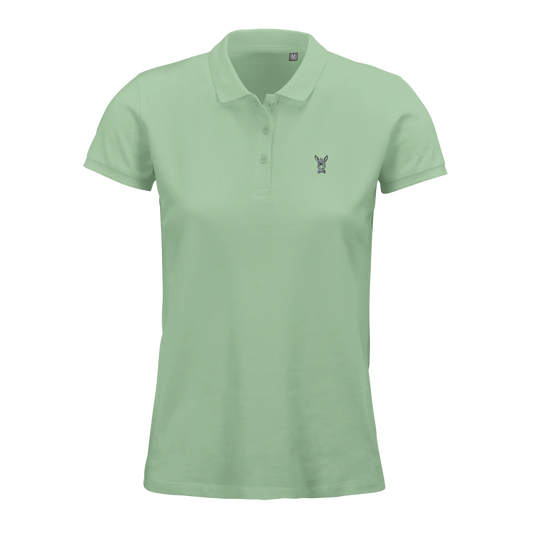
How to Spot Ethical Graphic Apparel Without Guesswork
Share
A brilliant graphic tee can say, “I have excellent taste and perhaps a mild obsession with fungi.” It should not also carry a mystery trail of exploited workers, wasteful stockpiles and fabric that gives up after three washes. Learning how to spot ethical graphic apparel means looking beyond the punchline on the chest and asking a few cheeky but necessary questions about what sits behind it.
Ethical does not mean perfect. Fashion is a messy beast with cotton fields, dye houses, printers, packers, couriers and plenty of opportunities for fluffy marketing. But it does mean a brand is making clear, meaningful choices to reduce harm, treat people fairly and avoid producing mountains of unwanted stuff just because a spreadsheet fancied it.
How to spot ethical graphic apparel before you buy
Start with the product page, not the mood board. A jazzy logo, a leaf icon and a photo of someone standing near a plant do not prove much. Ethical brands explain what an item is made from, where it is produced, how it is printed and, ideally, why they chose that route.
You are not looking for a flawless halo. You are looking for useful specifics. “Sustainably made” is vague enough to fit on a tote bag. “Made from certified organic cotton, printed to order in Europe” gives you something real to assess.
If a brand has nothing to say beyond broad claims, treats its supply chain like a state secret or buries every detail in tiny grey text, keep your wallet in its stable for now.
Check the fibre, then check the whole garment
Organic cotton is a strong starting point. It is grown without the routine use of synthetic pesticides and fertilisers, which can be better for soil health, farming communities and nearby ecosystems. It is not a magic spell, though. Cotton still needs land and water, and the final impact depends on where and how it is grown, dyed and transported.
Look for recognised textile standards where possible. Certifications such as GOTS can cover organic fibre content as well as environmental and social criteria during processing. OEKO-TEX labels can indicate that a textile has been tested for harmful substances. Fairtrade cotton can speak to conditions and terms for cotton farmers. Each label covers different territory, so a brand that states exactly what is certified is more convincing than one waving a mysterious “eco-approved” flag.
Also, do not let one decent material distract from the rest. Ask whether the garment is built to last. A thick, well-finished sweatshirt that survives years of coffee runs and sofa Sundays will usually beat a flimsy “green” tee destined for the rag pile by autumn. Check fabric weight if it is provided, read reviews for fit and durability, and inspect care guidance. Ethical buying includes buying less often.
Look for printing that does not create a stockroom graveyard
Graphic apparel has an extra wrinkle: the design itself. Traditional merchandising often works by printing large batches in advance, guessing what people might buy and hoping the remaining cartons do not become a landfill flavoured nightmare.
Print-on-demand can be a better alternative because the garment is printed after someone actually chooses it. That cuts the risk of unsold stock and lets shoppers choose the design, size and colour they genuinely want. For expressive clothing, that is rather the point. Nobody needs a warehouse full of neon slogan tees nobody invited home.
Still, made-to-order is not automatically ethical. It depends on the printer, ink, energy use, packaging, garment quality and delivery route. A responsible brand should say where printing happens and whether production is kept close to its customers. Europe-based printing can reduce unnecessary transport for European orders, though it is not a free pass if every other part of the process is murky.
Water-based inks are often worth seeking out because they can avoid some of the harsher chemicals associated with certain printing methods. The practical result matters too: a print that stays bright and flexible makes the garment more likely to remain in your rotation, rather than becoming a sad drawer fossil.
Follow the people, not just the planet graphics
Ethical graphic apparel is about humans as much as hemp, organic cotton or recycled packaging. A product can have a respectable fibre story while the people cutting, sewing, printing and packing it are underpaid or working in unsafe conditions. That is not a planet-kind win. That is green paint on a wobbly fence.
Look for information on manufacturing partners, worker standards, audits or memberships of credible labour initiatives. A small independent label may not have a glossy 80-page impact report, and that is fine. Smaller businesses often have fewer resources for corporate theatre. What matters is whether they can explain their choices plainly: where garments are made, what standards suppliers meet, and how they are working to improve.
Be wary of sweeping phrases such as “ethically sourced” with no names, standards or locations attached. A brand does not need to publish every supplier invoice, but it should be able to offer more than a reassuring adjective.
There is a useful difference between transparency and perfection. Transparent brands admit complications. Perhaps a recycled fabric blend is not yet available in every colour. Perhaps a printer uses plastic-free packaging but still relies on conventional electricity. Honest detail gives you room to make an informed decision. Perfection language usually deserves a raised eyebrow.
Treat price as a clue, not a verdict
A very cheap graphic tee can be tempting. We have all seen one, usually at the exact moment we are feeling emotionally vulnerable to a joke about pigeons or office life. But a price that barely covers a sandwich is unlikely to comfortably cover quality fabric, fair labour, responsible printing, tax, packing and delivery.
That does not mean expensive always equals ethical. Luxury brands can sell a pricey label alongside a disappointing supply chain. It means price needs context. If an item costs more, check whether the brand shows where that value goes: better material, smaller-batch production, fairer manufacturing, local printing or a design that is paid for properly.
Buying one garment you will wear forty times is often more sensible than buying four bargain-bin tees that twist, fade and vanish from your wardrobe. Cost per wear is not a lecture from your mum. It is a useful defence against impulse purchases wearing a fake moustache.
Read the small print on shipping, returns and packaging
The most ethical option is not always the one with the quickest checkout. Free returns can encourage people to order several sizes, send most of them back and repeat the cycle. Some brands absorb that cost by destroying or discounting returns. Others cannot resell personalised or made-to-order items at all.
Check sizing guidance before ordering, measure a favourite garment you already own and choose carefully. This reduces return miles and saves you the disappointment of discovering that your new sweatshirt has the fit of a disappointed marquee.
Packaging matters, but keep perspective. Recyclable mailers are good housekeeping. They cannot compensate for a garment made under poor conditions or designed to fall apart. Consider packaging as one useful signal among several, not the entire ethical verdict.
If you want a quick checkout test, ask yourself four things:
- Does the brand name the material and any relevant certifications?
- Does it explain where the garment is made and printed?
- Is the item produced in sensible quantities, ideally to order or in limited runs?
- Would I still want to wear this after the joke has had time to mature?
Choose design with a longer life
Ethical shopping is not only a supply-chain detective game. It is also about resisting the churn that tells us every new micro-trend requires a fresh uniform. Choose graphics that feel personal rather than merely current: a profession joke that actually suits your favourite nurse, a ridiculous sign for your mate’s workshop, a colour that works with the clothes you already wear.
This is where creator-led apparel can be particularly refreshing. Original design gives artists a chance to earn from their ideas, while shoppers get something with more character than another copied slogan rolling off a content farm. Dandy Donkey, for example, pairs expressive designs with organic garments printed when the customer chooses the design, rather than gambling on a pile of unwanted stock.
Once the garment arrives, give it a fighting chance. Wash it cooler, inside out, and only when it needs washing. Air dry where practical. Mend a loose seam. Pass it on if it no longer feels like you. A tee does not become less ethical because your taste changes, but sending it back into the world with a new owner is kinder than letting it haunt the back of a wardrobe.
The best ethical graphic apparel is not the item with the loudest sustainability badge. It is the one with a clear story, decent materials, fairer people practices, sensible production and a design you will happily wear until the donkey, and the print, are properly worn in.