Why Human Made Gifts Feel Better to Give
Share
You can spot a panic-bought present from across the room. It usually looks a bit glossy, a bit lifeless, and about as personal as a supermarket meal deal. Human made gifts are the opposite creature entirely. They carry a pulse. A point of view. Sometimes even a slightly unhinged joke that makes the right person snort tea through their nose.
That is the real charm of giving something made by actual people rather than churned out by the million. It is not just about being worthy or earnest. It is about giving a gift with a bit of character, a bit of story, and ideally a bit less landfill energy too.
What makes human made gifts different?
A human made gift feels considered before it is even opened. You can sense when a product began with an idea, a sketch, a mood, a laugh, or a strong opinion about how boring most gifts have become. That difference shows up in the details - the print that feels original, the message that lands properly, the colour choice that does not look like it was approved by a committee of beige cardigans.
Mass-market gifting tends to chase the safest possible middle. It aims to offend no one and excite no one. That might work if you are buying emergency wrapping paper at 7 pm, but it is a poor strategy for people you actually care about.
Human made gifts, by contrast, often feel sharper and more honest. They can be funny without being naff. Stylish without looking sterile. Thoughtful without drifting into sentimental mush. For design-conscious shoppers, that balance matters.
Why human made gifts land better
The best gifts do not just fill a box. They say, I know you. Not in a creepy way. In a useful, affectionate, cleverly-observed way.
When someone unwraps a gift that matches their humour, their work, their obsessions, or their very specific taste in slogans and colours, it feels personal. That personal edge is where human made gifts win. They are often built around expression rather than broad appeal, which means they suit people with actual personalities rather than imaginary stock-photo lives.
There is also a quiet pleasure in knowing a product was made with intention. Maybe it was printed in smaller quantities. Maybe it was produced only after someone chose the design. Maybe the maker cared enough not to flood the planet with ten thousand unwanted units in suspiciously optimistic avocado green. Small detail. Big difference.
The style factor is not a small thing
Let us be honest - ethics alone rarely save a boring gift.
People want presents that look good, feel good and do not scream I bought this because I ran out of ideas. Human made gifts have an advantage here because they are often driven by design first. The strongest ones do not treat style as decoration slapped on at the end. Style is the point.
That matters whether you are buying for a friend with immaculate taste, a sibling with chaotic goblin energy, or a colleague who communicates mainly through dry sarcasm and very expensive knitwear. A gift can be responsible and still have swagger. In fact, it should.
For shoppers who want something expressive, printed products, statement apparel and limited-run home pieces hit a sweet spot. They are practical enough to use, but distinctive enough to remember. Nobody needs another generic mug with a quote that sounds like it was written by an exhausted office wall decal.
Human made does not mean perfect - and that is part of the appeal
There is a funny myth that anything made by humans must be either saintly artisan magic or wildly impractical. Real life is less theatrical.
Human made gifts can come with trade-offs. Limited runs mean your favourite design may not hang around forever. Made-to-order production can take longer than next-day impulse shopping. Smaller-batch work may cost more than a factory-made equivalent. If your main hobby is hunting for the cheapest possible thing with no regard for quality, you may indeed be happier elsewhere.
But for many people, those are not flaws. They are signs of a different model. One that values choice over excess and personality over volume. Waiting a little longer for something that feels more like them, or more like the person they are buying for, is often worth it.
When human made gifts make the most sense
Some presents are ceremonial. Others are tactical. Human made gifts shine brightest when you want the item to feel like more than a formality.
Birthdays are an obvious one, especially for people who are hard to buy for because they have either exquisite taste or the unnerving habit of buying everything they want before anyone else gets there first. A sharply designed sweatshirt, an offbeat sign, or a printed piece with a niche joke can solve that problem nicely.
They also work brilliantly for new parents, housewarmings and work-related gifting, because these are moments where generic presents often go spectacularly limp. A baby bodysuit with personality beats a bland bundle of forgettable pastel fluff. A sign with humour beats another safe candle. A gift that nods to someone’s profession or subculture feels far more awake than the usual gift-shop wallpaper.
Then there are the just-because presents, which are usually the best kind. No obligation, no formal speech, just a little object that says this made me think of you and yes, your taste remains gloriously specific.
How to choose human made gifts well
This is where good intentions can wander into the reeds. Buying something human made does not automatically make it right for the person receiving it.
Start with identity, not category. Ask what they wear, display, laugh at, and keep around. Are they bold or minimal? Sweet or sardonic? Do they want something useful, decorative, or gloriously unnecessary in the best way? The strongest gifts reflect how someone moves through the world, not just what age bracket they happen to occupy.
Next, think about visibility. Some people love wearable statements. Others prefer their personality expressed on a shelf, wall or desk. A printed sweatshirt is more public than a novelty sign. A playful home item can be easier for someone who likes humour but does not want to dress like a walking announcement.
It is also worth paying attention to quality cues. Materials matter. Print matters. Where and how something is produced matters. Organic fabrics, thoughtful printing, and production closer to home can all make the gift feel less disposable. That does not mean every present must come with a manifesto tucked inside it. It just means people can tell when care was involved.
Human made gifts and the anti-generic backlash
There is a reason more shoppers are turning away from identikit gifting. We are surrounded by too much stuff already, and most of it has all the emotional resonance of a receipt.
Human made gifts push back against that sameness. They feel more edited, more deliberate, and often more in tune with the buyer’s values. Not values in the preachy sense. More in the practical sense of wanting fewer throwaway objects and more things with wit, use and a bit of backbone.
That is especially true for people who see design as part of everyday life rather than an occasional luxury. A gift can be playful and still well made. Funny and still stylish. Planet-kind and still full of attitude. Those combinations used to be strangely rare. They are now exactly what many people are after.
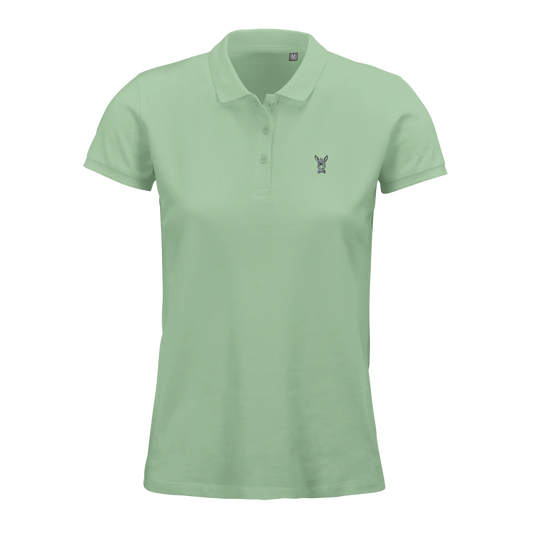
Brands like Dandy Donkey lean into that sweet spot - expressive products, creator-led ideas, and production choices that feel less wasteful than the usual pile-it-high retail circus. That blend of humour, design and considered making is not just good branding. It is what makes a gift feel alive.
Why this matters more than ever
Giving a gift is a small act, but it says something about what we notice and what we reward. When we choose human made gifts, we are often choosing originality over sameness and intention over excess. We are saying that design should have a pulse, that products can carry personality, and that the best presents do not need to be the loudest or the most expensive - just the most right.
A good gift does not have to change someone’s life. It only has to make them feel seen. If it also happens to be beautifully made, a little mischievous, and far less generic than the usual high-street suspects, that is not a bad place to start.