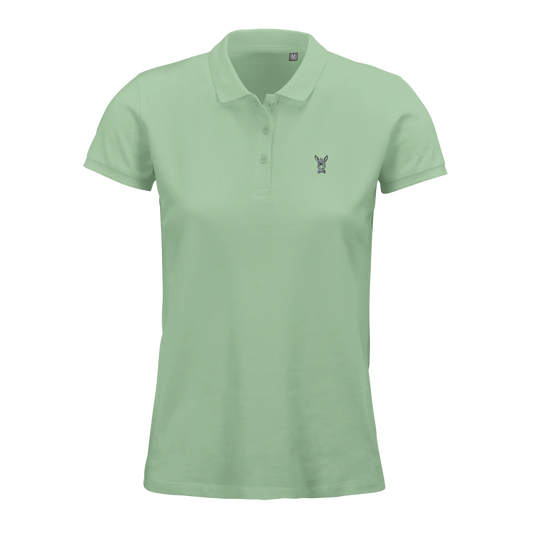
Printed to Order Clothing That Feels Personal
Share
A rail packed with identical sweatshirts has all the charm of soggy toast. You’ve seen it before - vague slogans, safe colours, zero pulse. Printed to order clothing flips that script. Instead of making piles of garments and hoping someone fancies one later, the piece is printed when you choose it. That means less clutter, more intention, and a far better chance you’ll end up wearing something that actually feels like you.
That sounds simple, and in one sense it is. But there’s a reason more design-led shoppers are paying attention. When a sweatshirt, tee or baby bodysuit is made for a real person rather than a warehouse shelf, the whole experience changes. The product feels less like filler and more like a decision.
What printed to order clothing really means
Printed to order clothing is exactly what it says on the tin. The blank garment exists, but the final design is printed only after someone buys it. No giant mountain of pre-printed stock. No guessing whether twenty olive green versions will fly while the black ones sulk in storage.
For shoppers, that changes the maths. You’re not rummaging through whatever happened to be produced six months ago. You’re choosing the design, often the size, and frequently the colour as well. The item is then made for your order rather than picked from a dusty pile of misplaced optimism.
This is not quite the same as bespoke tailoring, and it’s worth being honest about that. You’re usually choosing from a curated design collection rather than sketching your own masterpiece from scratch. But compared with mass-market merchandise, it feels far more personal, because your choice triggers the production.
Why printed to order clothing makes more sense now
The old retail model has a bad habit of producing first and asking questions later. That works if demand is easy to predict and trends move at the speed of a sleepy tortoise. Fashion does not. Tastes shift, sizes vary, colours go in and out of favour, and not everyone wants the same slogan barked across their chest.
Printed to order clothing sidesteps some of that nonsense. Brands can offer more designs without gambling on huge print runs. Customers get more choice without the usual overproduction circus. Fewer unwanted garments are made, and fewer end up lurking in clearance bins wearing the expression of a rejected party guest.
That doesn’t mean every printed-to-order item is automatically saintly. The base garment still matters. The printing process matters. Shipping matters. If a brand uses poor-quality blanks or treats sustainability like decorative confetti, the model alone won’t save it. But when the garments are thoughtfully sourced and produced with care, printing to order is a much saner approach than flooding the market with stock that may never be worn.
The real appeal is not just waste reduction
Yes, lower overproduction is a major plus. But most people do not buy clothes purely because a spreadsheet somewhere looks greener. They buy because the item says something about them, suits their taste, or makes them grin in the mirror.
That’s where this model gets interesting. Printed to order clothing gives design room to breathe. A brand can create bolder graphics, sharper jokes, more niche references, and more personality-led collections because it doesn’t have to pre-print thousands of units and pray to the retail gods.
If your taste runs towards the expressive, the eccentric or the gently unhinged, that matters. The best printed-to-order pieces don’t feel like compromise purchases. They feel chosen. They let you pick the colour that suits your mood, your wardrobe, or your inner menace. Black if you want drama. Sand if you want understated cool. Bright pink if subtlety has never been your strongest hobby.
Design-led shoppers notice the difference
People who care about design can sniff out generic merchandise from three postcodes away. It usually has the same problems: safe artwork, anonymous quality, and a strange sense that nobody involved particularly cared. It exists. That’s about the highest compliment available.
Printed to order clothing can be the antidote, especially when a brand treats design as the point rather than a sticker slapped on at the end. Because pieces are produced one order at a time, collections can be more playful and more specific. You get humour with teeth, references that feel culturally awake, and graphics that don’t look as if they were approved by a committee terrified of offending a beige cushion.
For gifts, this is gold. A profession-themed sweatshirt, a witty bodysuit, a design that nods to someone’s habits, job or favourite flavour of chaos - all of it feels more considered than a standard last-minute purchase. It says, “I saw this and thought of you,” not, “This was near the till.”
There are trade-offs, and that’s fair
Printed to order clothing is not a magic wardrobe unicorn. If you want next-hour gratification, this model may test your patience. Because the item is printed after purchase, turnaround can be longer than grabbing pre-made stock from a giant distribution hub.
For many shoppers, that’s a worthwhile trade. Waiting a bit longer for something made with more intention beats receiving something instantly that looks like it lost the will to live in a trend forecast meeting. Still, expectations matter. Brands should be upfront about production times, and customers should know that made-for-you usually means not-made-yet.
Returns can also be more nuanced, particularly for personalised or custom configurations. That’s not a flaw so much as the reality of making products to order. It makes choosing size and colour carefully a bit more important.
Then there’s consistency. Great printed to order clothing depends on great systems. Printing quality must be reliable. Garment quality must hold up. If the fabric feels flimsy or the print starts having an existential crisis after a few washes, the model loses its shine very quickly.
What to look for before you buy
The smartest way to shop printed to order clothing is to look beyond the design and check whether the bones are good. Start with the garment itself. Organic cotton, decent fabric weight and clear sizing information usually signal that someone has been using their head.
Then look at the production story. Where is it printed? Who is making it? Is the brand transparent about why it prints to order, or does it toss around green language like glitter at a hen party? European printing, careful sourcing and honest lead times are all good signs.
Finally, pay attention to the design philosophy. The best brands are not trying to please everyone. They know who they’re for. Their collections have character, not just volume. One well-observed joke or beautifully weird graphic says more than fifty bland slogans ever could.
This is where a design-first brand such as Dandy Donkey fits naturally. The point is not merely to put ink on cotton. It’s to make expressive pieces people genuinely want to wear, while skipping the usual overproduction silliness and giving shoppers the freedom to choose a colour that matches their personality.
Why this model suits modern gifting too
A good gift lands somewhere between thoughtful and unexpected. Printed to order clothing does that well because it offers personality without requiring full custom design. You can choose something that feels specific to the person - funny, niche, stylish, odd in the right way - without commissioning a one-off artwork or settling for gift-shop mush.
That makes it particularly good for birthdays, new babies, housewarming presents and those occasions where you want the present to feel less generic than a candle pretending to have a personality. The trick is picking designs with a point of view. Something playful beats something merely polite.
Printed to order clothing is really about better choices
At its best, this model is not just a production method. It is a small rebellion against excess, sameness and lazy retail habits. It gives brands more freedom to be imaginative and gives shoppers more room to choose pieces with actual character.
Will it suit every buying decision? No. Sometimes you need something immediately. Sometimes you want the certainty of trying something on in a shop first. But if you care about design, quality, and buying fewer things with more meaning, printed to order clothing makes an awful lot of sense.
The sweet spot is simple: clothes that are made because someone wanted them, not because a warehouse needed filling. That’s a better story to wear, and frankly, a better use of cotton.