How to Shop Independent Merch With Real Character
Share
A funny sign in a hallway can say more about a household than a carefully arranged shelf of coffee-table books. So can a T-shirt with a graphic that makes one person at the Monday meeting laugh and another ask, “Where did you get that?” That is the point of learning how to shop independent merch. You are not merely picking a thing. You are choosing a small, visible bit of personality.
Independent merch covers a lot of ground, from artist-designed clothing to a fake parking sign for the notary who has everything except a reserved space. The useful trick is knowing what to look for beyond a good first glance. A strong design, clear production details and a joke that actually fits the recipient will take you much further than a vague promise printed beside a product photo.
Start with the story, not the product category
When every search result offers shirts, caps and wall signs, start somewhere more personal than “I need a hoodie”. Think about the person, place or in-joke you want the item to carry.
For yourself, that might be your affection for Brussels oddities, old-school type, cycling culture or loud colour on an otherwise grey Tuesday. For a gift, it may be a profession, hobby or domestic truth. A No Parking sign for a notary, complete with “violators will be disinherited”, lands because it borrows the language of the job and puts it somewhere gloriously unnecessary.
The story does not need to be profound. It needs to feel specific. A generic slogan may work for a moment, but a design that nods to Schaerbeek, a favourite pastime or a well-known family trait has more staying power.
Ask one useful question before you browse
Try this: what should this item make someone feel when they see it? Amused, recognised, a little more colourful, quietly pleased that somebody noticed their peculiar passion? That answer helps you filter quickly.
If the aim is a wearable conversation starter, look for apparel where the graphic does the talking. If it is a housewarming present, a sign with a joke tied to the recipient's work or hobby may be the better call. The object matters, but the reaction matters more.
Look closely at who made the design
“Independent” should mean more than a shop having a cheerful name and a tidy Instagram grid. Look for information about the people behind the artwork. Are designers or photographers named? Does the shop explain how they contribute? Are the visuals recognisably drawn, photographed or created by a person with a point of view?
Human-made work has its own fingerprints. It may be a slightly strange colour choice, an illustration style you have not seen on every tote bag in town, or a local reference that would never occur to a template. Those details are not flaws to smooth away. They are why the design has a pulse.
At Dandy Donkey, designs come from an open community of designers and photographers, who receive a share of each sale. There is one firm rule in the stable: no AI-generated designs. That makes the creative origin refreshingly easy to understand. A human made it, and a human thought the joke was worth putting on a shirt or sign.
This is also where taste comes in. A design does not need to be loud to have character. Some people want a bold chest print in tomato red. Others want a small, clever detail that reveals itself over coffee. Shop for the piece you will actually enjoy wearing or giving, not the one that seems safest in a thumbnail.
How to shop independent merch without guessing the details
The design gets your attention. The product information should earn your trust. Good independent shops make the practical facts easy to find, because nobody wants a lovely graphic on a garment that feels wrong after one wear.
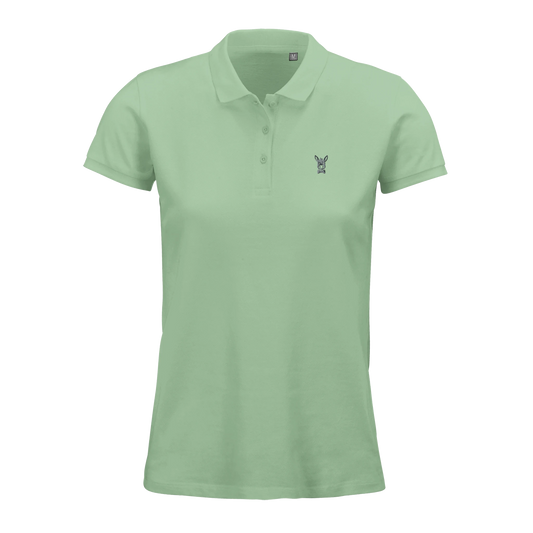
For clothing, check the fabric composition first. Organic cotton is a straightforward fact, not a magical spell, but it tells you something tangible about the material. Look at fit notes, sizing information and garment colours too. The same illustration can feel entirely different on a bright tee, a dark sweatshirt or a cap that quietly gets on with its day.
Then check where and when the item is printed. Clothing printed in Europe after an order is placed is made to order. It means the shop does not need piles of every size and colour waiting for a buyer. The trade-off is simple: it may take a little more patience than grabbing a standard item from a shelf. In return, you can choose the garment colour that suits you rather than accepting whatever happened to be made in bulk.
For signs, materials and finish matter. Dibond is a rigid aluminium composite panel, often used where a paper poster would look rather defeated after a few damp days. If a sign is intended for outdoor use, check for a protective layer and whether the shop says it is made in small runs. Those are useful details, especially if the future home is a garden gate, garage wall or balcony that gets acquainted with Belgian weather.
Choose clothing you will reach for, not just admire
Independent apparel is easy to buy emotionally. You spot a graphic, imagine your friends appreciating it, and suddenly it is in your basket. Pause for twenty seconds and picture the outfit around it.
A bold T-shirt can work with plain trousers, denim or an overshirt that lets the design have its moment. A hoodie or sweatshirt carries a larger graphic differently, often becoming the main event rather than an accent. If colour is your thing, use it deliberately. Pick a garment shade that frames the artwork well and fits the colours you already enjoy wearing.
Fit is personal, so use measurements rather than relying on the size you usually buy elsewhere. Consider whether you prefer a closer fit, a relaxed silhouette or room for layering. This is less glamorous than choosing a print, admittedly, but it prevents the familiar parcel-opening moment of realising you ordered an idealised version of your own shoulders.
Once it arrives, care helps the print stay lively. Wash organic cotton inside out, follow the care label, avoid aggressive heat and let the garment earn its place in regular rotation. A shirt with personality should not be saved for a hypothetical special occasion. Tuesday counts.
Give a gift that knows its audience
The strongest independent-merch gifts do not announce, “I bought something funny.” They quietly prove that you paid attention. Start with the recipient's vocabulary. What words, habits and minor rituals belong to their work or pastime?
A lawyer may appreciate a legal-flavoured parking warning. A keen cook might enjoy a sign that claims territorial rights over the kitchen. A cyclist, teacher or developer usually has a familiar universe of phrases and frustrations waiting to be turned into a decent joke. The humour works when it feels affectionate rather than like a roast delivered by a distant cousin at Christmas.
Be careful with humour that assumes too much. If you are not sure whether someone likes their job enough to display it on a wall, choose a hobby, a shared memory or something for the home instead. The right gift should feel like a wink, not an obligation to laugh politely while finding space for it behind the coats.
Presentation also matters. A sign is often ready to give as it is, while clothing needs one extra thought: colour and size. If those are uncertain, a more universal piece, such as a cap or a design linked to their interests, can reduce the guesswork.
Let the small production choices count
Shopping independent does not require a moral lecture or a spreadsheet. It does mean noticing how an item was made and whether the shop says so plainly.
Made-to-order printing and small-run signs are practical ways to avoid making huge piles of products before anyone has chosen them. European production can also make the route from design to doorstep easier to understand for customers in Belgium and across the EU. These details do not replace a design you love, but they are good reasons to choose one shop over another when two items catch your eye.
Look for specifics rather than grand claims. “Organic cotton”, “printed in Europe after ordering”, “Dibond with a protective layer” and “designer earns a share” tell you something you can check. A page full of fluffy adjectives tells you rather less.
Leave room for the odd choice
The sensible shopping checklist has its place. Check measurements. Read materials. Consider where the item will live. Then leave a little room for the piece that is slightly stranger, brighter or more niche than your usual choice.
That is often the independent-merch purchase that becomes a favourite. Not because everyone understands it, but because the right people do. A shirt can wear your personality. A sign can turn a corridor into a private joke with visitors.
If you are shopping for a gift with a built-in wink, have a browse through the SignArt collection. There may be a parking space reserved for exactly the right profession.