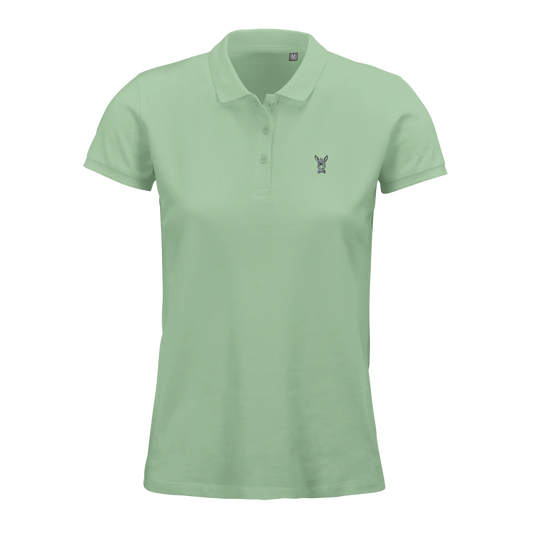
A Guide to Buying Ethical Merch Without Boring Bits
Share
A slogan on a T-shirt is easy. Knowing who made it, what it is made from and whether it will survive more than three washes is the trickier bit. This guide to buying ethical merch is for people who want their wardrobe, gifts and desk-side nonsense to have a little more character and a lot less dodgy baggage.
Ethical merch need not look like it has been designed by a committee in a beige meeting room. It can be loud, funny, niche, mildly unhinged and still made with more care than a disposable impulse buy. The aim is not perfection, because a perfectly ethical product is a rare beast. The aim is to make better choices, more often, and to keep the things you buy in play for longer.
What Ethical Merch Actually Means
“Ethical” is often used as a catch-all label, which makes it sound impressive while explaining approximately nothing. In practice, it usually covers a few connected questions: what materials are used, how workers are treated, where the item is made, how much waste production creates and whether the product has a reasonable life after purchase.
A cotton sweatshirt, for example, may use organic fibres but still travel across several continents before it reaches you. A locally printed tote bag may have a lower transport footprint but be made from conventional cotton with heavy water and pesticide use. Neither detail automatically makes an item saintly or villainous. It gives you useful information for deciding what matters most to you.
For design-led merch, the strongest signs are usually transparent production, considered materials, sensible quantities and products made to be used rather than briefly photographed and forgotten. A brand does not need a choir of angels hovering above every parcel. It does need to be honest about what it does and does not control.
A Guide to Buying Ethical Merch That Lasts
The greenest mug, shirt or sign is rarely the one that looks most virtuous on a product page. It is the one you genuinely want to keep. If you would happily wear a design for years, put it on a shelf, gift it without apologising, or repair it when life gets messy, it already has a better chance of avoiding the landfill conga line.
Start with the object itself. Ask whether it has a job in your life. A baby bodysuit should be soft, washable and made for the glorious chaos of tiny humans. A novelty sign should feel properly printed and sturdy enough to outlast a flat move. A sweatshirt should suit your actual wardrobe rather than an imaginary version of you who only wears chartreuse on Tuesdays.
Good design is not separate from sustainability. A design with real personality is less likely to become clutter. That is especially true for gifts. The best ethical gift is not the one that comes with the longest sermon about its credentials. It is the one that makes the recipient laugh, feel seen and use it again next week.
Look beyond the word “sustainable”
A vague claim is not the same as proof. If a shop says its products are sustainable, look for the useful detail underneath: fibre content, country of manufacture, printing method, production quantities and information about suppliers or certifications. Specificity is a good sign. So is plain language.
Be wary of descriptions that make grand promises while refusing to name materials or processes. “Eco-friendly” can mean anything from genuinely thoughtful production to a leaf icon having a very busy day. You do not need a degree in supply-chain detective work, but you deserve enough information to make an informed choice.
Certifications can help, particularly for cotton and labour standards, but they are not a magic stamp that ends the conversation. Different schemes examine different parts of the chain. Treat them as one useful clue alongside transparency, product quality and the brand’s overall approach.
Choose materials with your use in mind
Organic cotton is a sensible starting point for many apparel pieces because it is grown without synthetic pesticides and fertilisers. It is not impact-free, though, and cotton still requires land and water. The most meaningful move is to choose a well-made garment you will wear repeatedly, then care for it properly.
Recycled materials can be excellent for some products, particularly when they reduce reliance on virgin fibres. Yet recycled blends can be harder to recycle again, and synthetic fabrics may shed microfibres during washing. For a cosy sweatshirt, natural fibres may suit your priorities. For a hard-wearing bag, a recycled synthetic fabric might make more practical sense. Ethical shopping is not a pop quiz with one correct answer.
When possible, favour clear material information over decorative mystery. “Premium fabric” tells you very little. “Organic cotton, weight listed, printed to order” tells you much more.
Production: Fewer Guessy Numbers, More Useful Facts
Mass production works on a bet: make a huge pile, hope it sells, discount the leftovers, repeat. That model creates waste even before anyone has chosen a design. Made-to-order production flips the order around. The customer chooses first; the item is printed afterwards.
That can reduce excess stock and the sad sight of perfectly usable products being binned because a trend wandered off. It does come with trade-offs. You may wait a little longer for your order, and returns can be more complicated when an item is personalised or produced specifically for you. For many shoppers, that is a fair exchange for avoiding a warehouse full of unwanted stuff.
European production can also be a helpful indicator, particularly for UK and European buyers who value shorter supply chains, clearer labour expectations and easier accountability. It does not automatically make every item low-impact, and distance is only one part of the story. Still, knowing where something is printed and produced is far better than a product page playing hide-and-seek.
Look for brands that explain whether they print in small runs, make to order, or hold limited stock for a reason. Limited quantities are not ethical simply because they are scarce. But producing fewer, better-considered items can be a more responsible approach than manufacturing mountains of generic merchandise and hoping for the best.
Check the People Behind the Print
Merch has hands behind it: people growing fibres, stitching garments, mixing inks, packing orders and creating the artwork. Ethical buying includes respecting that work rather than expecting everything to be suspiciously cheap, instantly delivered and flawless forever.
Price is not a perfect ethical measure, but it is a useful reality check. A heavily printed organic garment, made under fair conditions and shipped responsibly, cannot sensibly cost the same as a fast-fashion tee produced at enormous scale. A bargain is not always a scandal, but absurdly low prices should make your inner donkey raise an eyebrow.
If a platform works with independent artists or creators, consider whether it credits them, gives their designs room to shine and avoids turning original work into anonymous wallpaper. Buying creator-led merch can support a more human creative economy, especially when the design is clearly attributed and the product is not a lazy copy of something else.
The Five-Minute Ethical Merch Check
You do not need to interrogate every purchase until your tea goes cold. Before clicking buy, run through these questions:
- Can I see what it is made from and where it is produced or printed?
- Is the brand clear about made-to-order, limited-run or stock practices?
- Will I use, wear or display this often enough to justify owning it?
- Does the quality sound equal to the price, rather than suspiciously magical?
- Is the design original, credited and something I will still enjoy after the novelty has settled in?
Make Your Merch Earn Its Keep
Buying better is only half the job. Washing cooler, drying garments naturally where possible and following care instructions can dramatically extend the life of printed apparel. Turn printed pieces inside out before washing, avoid punishing them with excessive heat and mend small issues before they become dramatic ones.
For gifts and printed home bits, resist buying filler just because a promotion is shouting at you. One brilliant sign for a friend with an oddly specific profession beats a bundle of forgettable trinkets. Packaging matters too, but do not let a compostable mailer distract from a flimsy product. The item itself should be the main event.
Dandy Donkey’s approach of using organic cotton and printing designs when customers choose them is one example of how expressive merch can sidestep the usual overproduction circus. The bigger lesson is simple: personality and principle do not need to fight in the car park.
Next time a design makes you grin, pause for one tiny extra moment. Find out what it is made of, who is likely to have handled it and whether it deserves a long, useful life in your corner of the world. Then buy the weird little treasure with your eyes open.