10 Ethical Merchandise Brand Examples Worth Wearing
Share
A slogan on a sweatshirt is easy. Knowing who made it, what it is made from, and whether it will outlive one awkward wash cycle is the trickier bit. The best ethical merchandise brand examples do more than slap a leafy badge beside the checkout button. They make better choices visible - from fibre and factory to fulfilment and the suspiciously cheerful parcel arriving at your door.
For anyone buying a gift, kitting out a team, or hunting for a T-shirt with more personality than a beige meeting room, ethics and design do not need to wrestle in a muddy field. The good stuff can be funny, loud, beautifully printed and made with a bit more care. Here are ten brands and platforms worth knowing, plus a sensible way to judge the claims without becoming a full-time supply-chain detective.
10 ethical merchandise brand examples to know
1. Teemill
Teemill is one of the clearest examples of how merchandise can be made to order without looking like an afterthought. Its model centres on printing products when they are ordered, helping brands avoid filling a warehouse with unwanted tees that may eventually meet a miserable end.
Its circularity message is a major part of the appeal: garments are designed with material recovery in mind, and the business has long talked openly about renewable energy, organic cotton and take-back options. For creators and small brands, that matters because a modest run need not force a reckless stock gamble. Still, made-to-order can mean a longer wait than grabbing something from a high-street rail. Patience, apparently, is also a wardrobe staple.
2. Rapanui
Rapanui, the clothing brand behind the same Isle of Wight production ecosystem, offers casual apparel with a strong focus on organic materials and traceable manufacturing. It is a useful reference point for anyone who wants ethical basics rather than a giant logo yelling across the pavement.
The brand is particularly relevant to merchandise buyers because it shows that blank garments need not be blank in character. A responsibly considered base layer gives a good illustration, artist’s print or workplace joke a far better starting point than thin, disposable cotton of mysterious origin.
3. Stanley/Stella
Stanley/Stella is not a typical consumer merchandise shop. It supplies premium blank apparel to decorators, agencies and brands, which is exactly why it belongs in the conversation. Much branded clothing begins with the blank, and choosing a better blank is one of the least glamorous but most meaningful decisions a merch project can make.
Its collections are known for organic and recycled materials, with detailed information around certifications and sourcing. That does not automatically make every finished item ethical - the printer, inks, transport and order volumes still count - but it gives designers a stronger foundation. Think of it as building a party outfit on proper shoes rather than cardboard sandals.
4. Neutral
Neutral makes promotional and retail clothing with a clear social and environmental positioning. Its range includes organic cotton basics and it places emphasis on recognised standards covering textiles, labour and fairer trade.
For companies ordering uniforms, event merchandise or staff gifts, Neutral is a practical example of ethics moving beyond the boutique. The trade-off is that classic promotional styles may feel less visually mischievous than an independent artist’s collection. That is where a good designer earns their biscuits: pair a solid garment with artwork people genuinely want to wear after the event is over.
5. TPOP
TPOP is a French print-on-demand service geared towards independent sellers. It has built its offer around lower-waste production, plastic-free packaging options and printing closer to European customers than many global fulfilment models.
For creators, the attraction is obvious. You can test an oddball idea - perhaps a sign for exhausted nurses or a tee for people who alphabetise their spice rack - without ordering 200 units and praying for a miracle. Print-on-demand does not erase every impact, though. Product choice matters, and a return-heavy business remains a wasteful business however tasteful the packaging is.
6. Pangaia
Pangaia is a science-led lifestyle brand known for experimenting with lower-impact materials and for making sustainability part of its visual identity. It is a useful example for merchandise teams wanting to see how fabric innovation can become part of the story rather than a dull footnote in six-point type.
Its products are not budget merchandise, and that is the point as much as the downside. Better materials and development can cost more. Ethical buying is not always about purchasing more often with a cleaner conscience; sometimes it means buying one brilliant piece you will actually keep wearing.
7. Brothers We Stand
Brothers We Stand curates menswear from brands selected around people, planet and animal welfare considerations. Rather than claiming a single perfect formula, it helps shoppers compare the areas in which a product performs well.
That approach is refreshingly grown-up. Few supply chains are spotless, and ethical shopping becomes silly when it demands saintly perfection from every sock. What counts is meaningful evidence, honest gaps and a steady push towards better practice. For gift buyers, a retailer that does some homework can be a handy defence against late-night panic purchasing.
8. Lucy & Yak
Lucy & Yak built a following around colourful, characterful clothing and a stated commitment to more responsible production. Its cheerful dungarees prove that ethical fashion does not have to dress like a lecture in a compostable envelope.
The lesson for merchandise is visual confidence. When the design is joyful enough to earn repeat wear, the item has a better chance of staying in use. This is especially relevant for branded apparel: a subtle but distinctive illustration usually beats a logo so enormous it appears to have applied for planning permission.
9. Finisterre
Finisterre is an outdoor clothing brand with a long-standing focus on durability, responsible materials and transparency. Its products are built for hard use, which makes it an especially good benchmark for anyone commissioning workwear, club clothing or gear for people who regularly meet rain sideways.
Durability is frequently overlooked in ethical merchandise discussions. An organic T-shirt that loses its shape after three washes is not a heroic purchase. A garment that survives years of wear, repair and repeat use can be the more responsible choice even when its upfront price stings a little.
10. Dandy Donkey
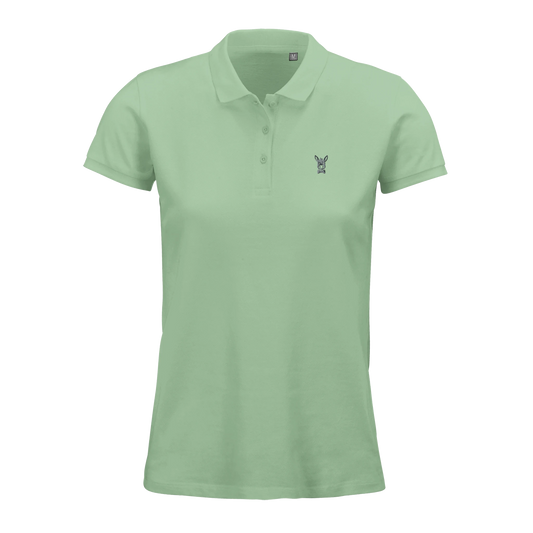
Dandy Donkey takes a more expressive route: organic cotton apparel printed in Europe when a customer chooses the design, alongside limited-run novelty signs and giftable printed pieces. The made-to-order approach is not a magic wand, but it can prevent the classic merchandising blunder of producing a mountain of stock nobody asked for.
The broader lesson is that ethics need not sand off the weird bits. A profession-themed sign, a tiny-boss baby bodysuit or a sweatshirt with a gloriously niche joke can still be a considered purchase. Human-made, design-led merchandise has more chance of becoming a favourite when it feels like it was made for an actual person, not an imaginary focus group called Dave.
What makes merchandise ethical, rather than merely well behaved?
The word “ethical” covers several moving parts. Materials are one: organic cotton can reduce reliance on synthetic pesticides, while recycled fibres can make use of existing material. Yet the fibre alone is not the verdict. Ask where it was spun, sewn and printed; whether workers’ conditions are addressed; and whether the brand offers credible detail rather than a vague cloud of green adjectives.
Production volume matters just as much. Traditional merchandise often demands a large minimum order, turning every campaign into a bet against reality. Made-to-order production lowers the risk of unsold stock, while limited runs can keep quantities more deliberate. Neither is automatically superior. A carefully planned batch shipped efficiently may have advantages over individual parcels travelling separately, so context matters.
Then there is the unsexy champion: longevity. A well-cut sweatshirt, decent print and colours chosen for more than one season give an item a life beyond launch day. The most planet-kind mug or tee is generally the one that is used, loved and not replaced next Tuesday.
How to spot substance before you buy
Start with specificity. Look for clear material percentages, named standards, factory or production-region information, and an explanation of whether the item is printed to order or made in advance. A brand does not need to publish its entire secret sauce, but “sustainable” without proof is mostly decorative parsley.
Next, judge the product itself. Would you wear it without being paid to do so? Would the recipient smile, use it and keep it? If the answer is no, no amount of recycled tissue paper can rescue a forgettable design. Ethical merchandise works best when desirability and responsibility pull in the same direction.
Finally, buy fewer things with sharper taste. Choose the colour you will reach for, the joke that still makes you grin, and the maker prepared to show their workings. The planet has enough sad promotional pens already; it could use more objects with a proper point of view.